What shoppers usually mean by raw honey
Shoppers often use raw honey to mean less processed, closer to source, and not heavily heated. The exact meaning should come from the seller’s label and process description.
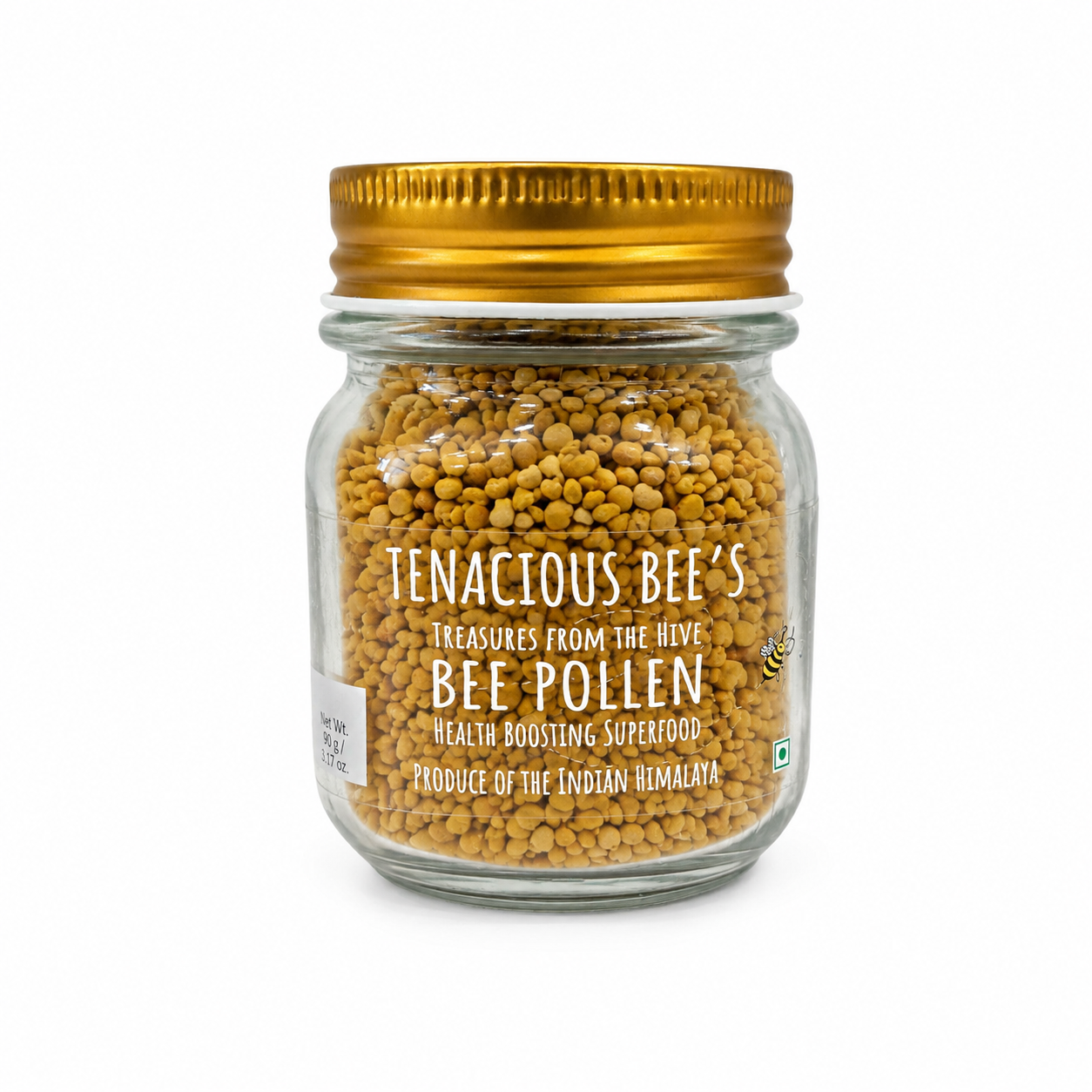
Where processed honey can still fit
More processed honey may have a more uniform texture, colour or shelf presentation. It may work fine for daily sweetening if the buyer wants consistency.
A better comparison checklist
For online shopping, compare details that can actually be verified.
- Producer/source visibility
- Ingredient list
- Pack size and price per gram
- Texture and crystallisation guidance
- Storage instructions
- Customer reviews once available
A practical way to decide
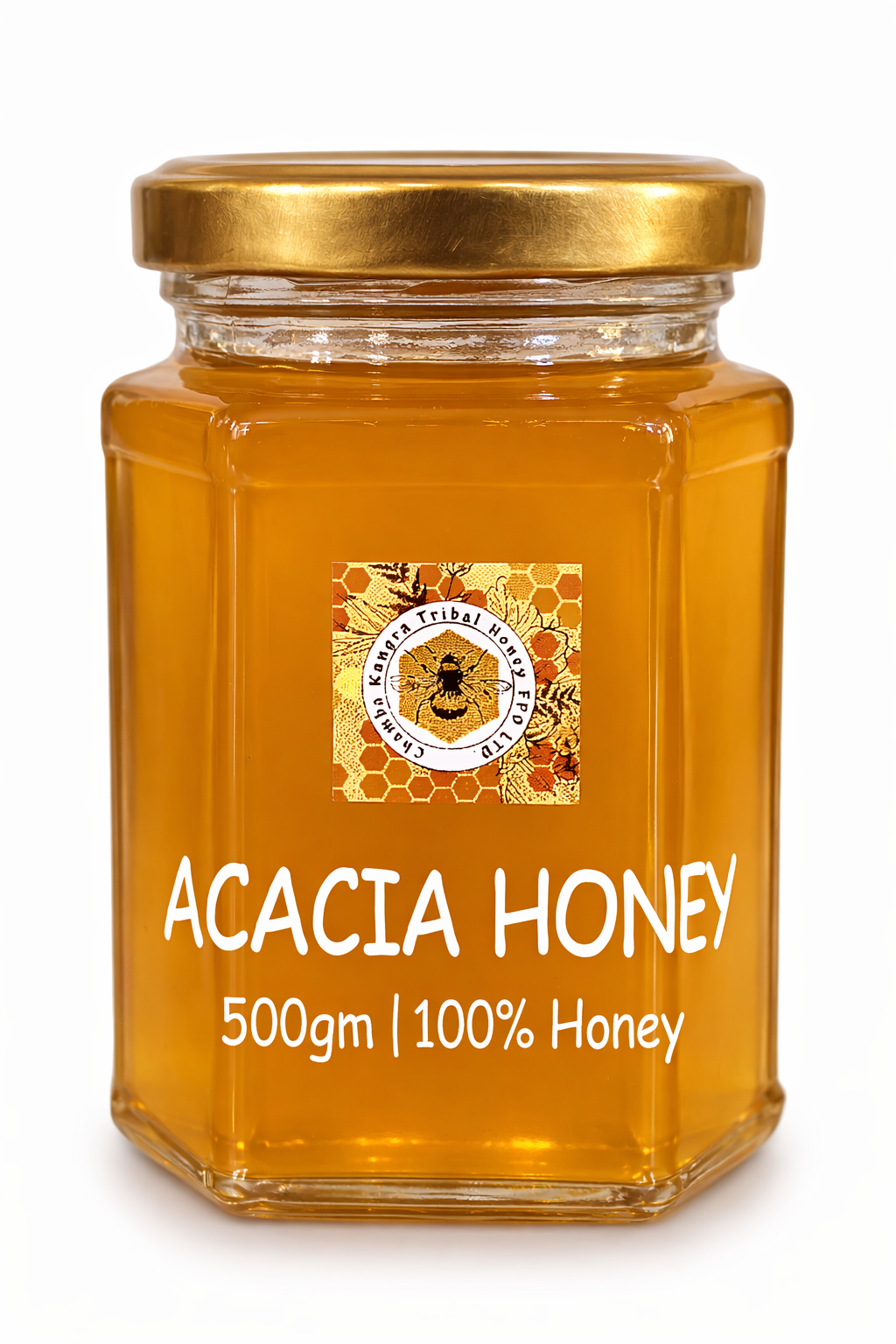
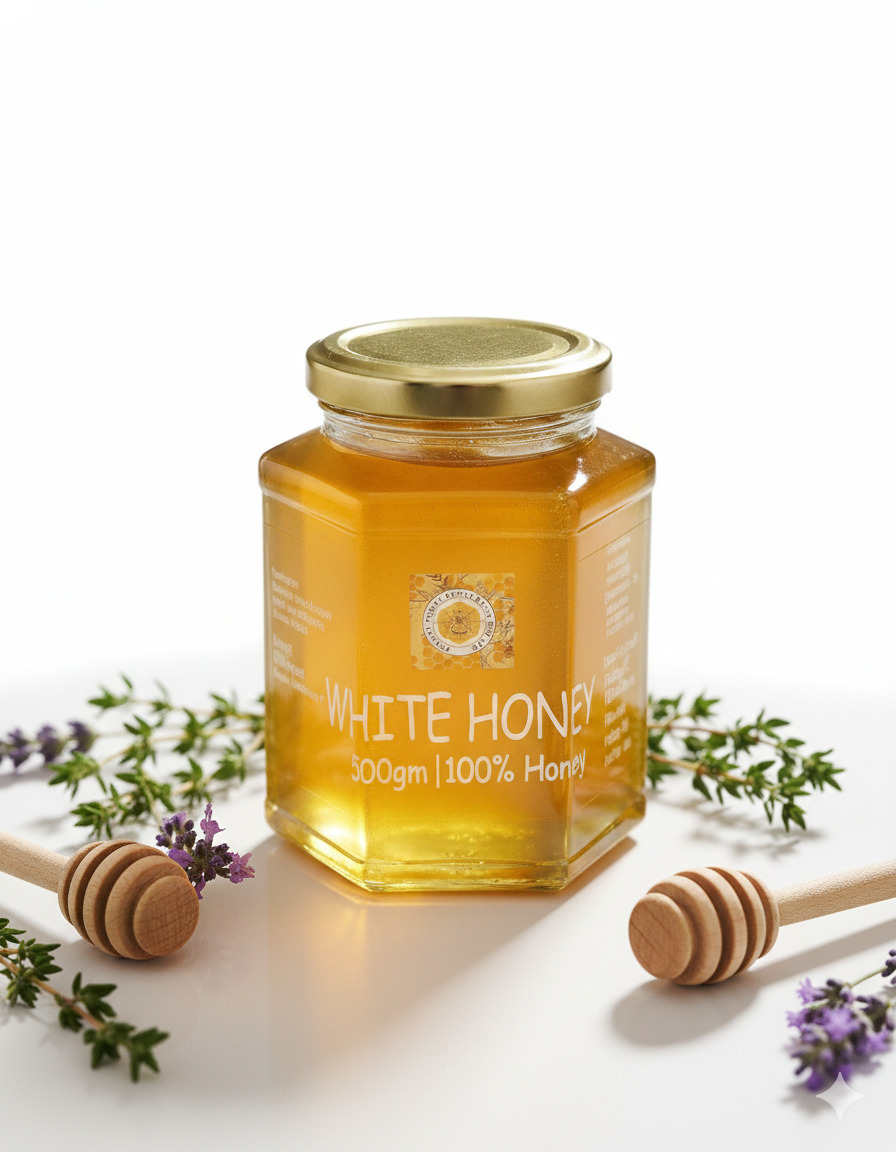
Compare honey, white honey, acacia, sweetener by the job they need to do in the kitchen, gift basket or home shelf. The better choice is usually the one with clearer intended use, readable label details, suitable pack size and storage instructions that fit the buyer's routine.
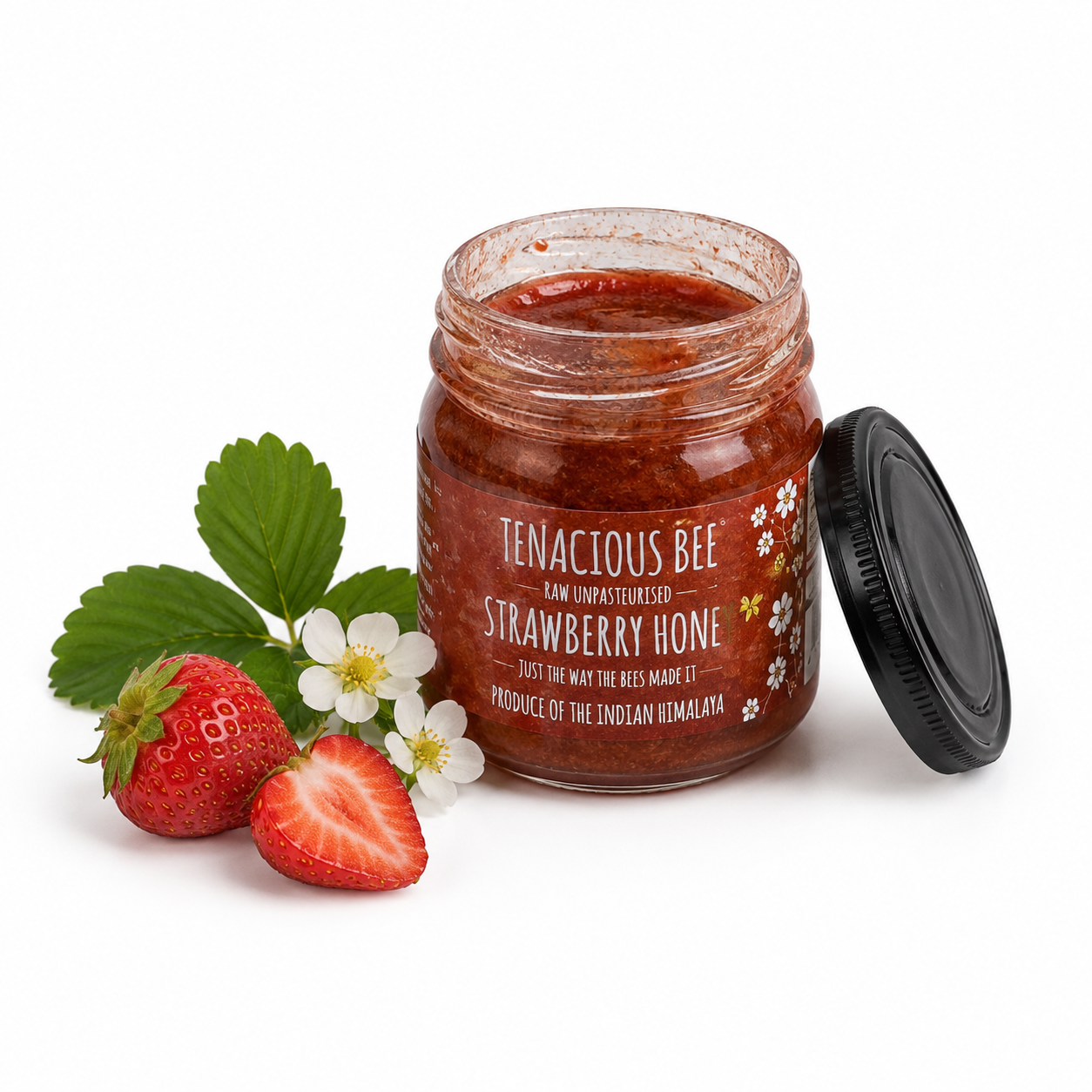
When two products look similar online, do not decide only by name. Check flavour direction, format, Net Quantity, ingredients or material, shelf life, care notes and whether the product photo matches the use case described in the article.
A good shortcut is to choose the product that removes the most uncertainty. If the buyer already knows the flavour, size and storage habit, a larger or stronger product can make sense. If the product is new, start with the more familiar use case and let the next order handle discovery.
- Choose by use case first
- Check Net Quantity and storage
- Use label facts over broad claims
- Pick familiar flavours for gifting unless the recipient likes discovery products