Why jar foods need more context
Pickle and chutney shoppers make decisions by taste, oil or syrup base, spice level, sweetness, saltiness, storage and meal fit. A small jar can completely change a dal-rice plate, paratha breakfast or snack board, so the page needs more than a product name and price.
For Dharampur-linked jar products, HFN can be useful by connecting verified catalog facts to the way people actually eat these products. The article should help a shopper understand whether they are looking at a sharper pickle, a sweeter chutney, a fruit-led preserve-style condiment or a regional discovery item.
What to check before adding a jar to cart
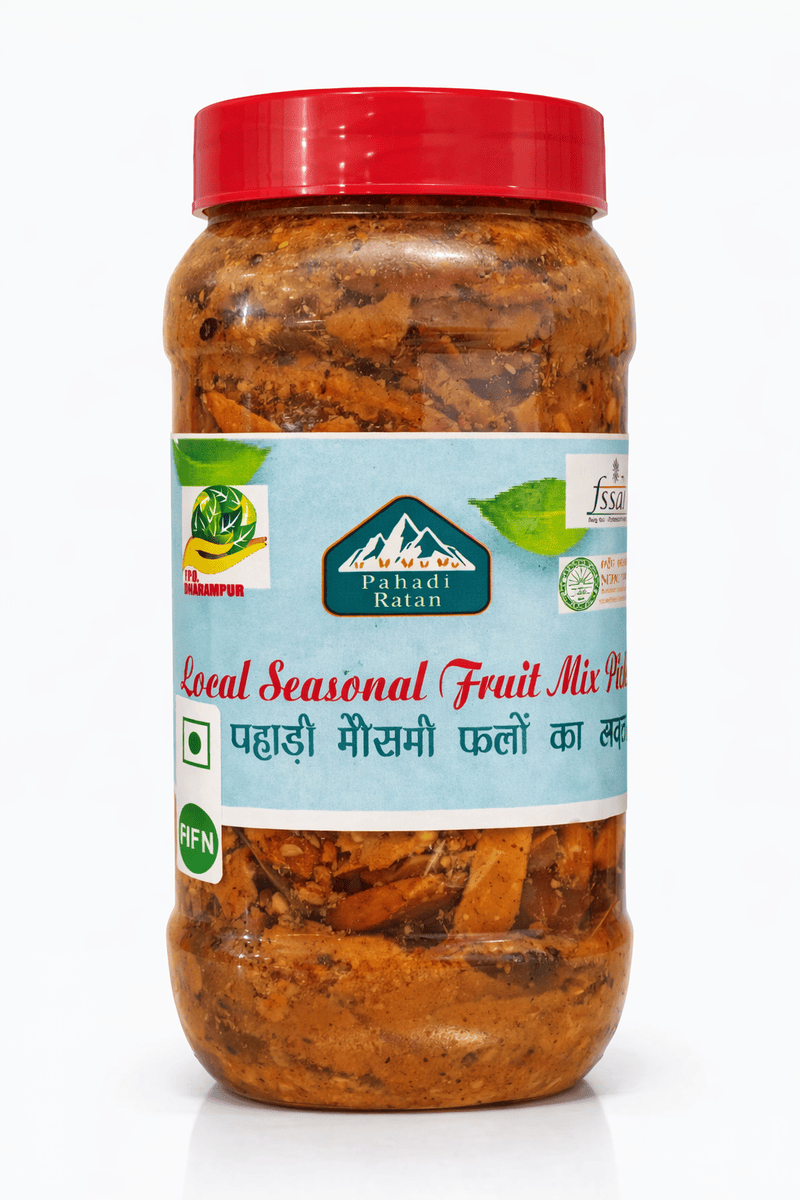
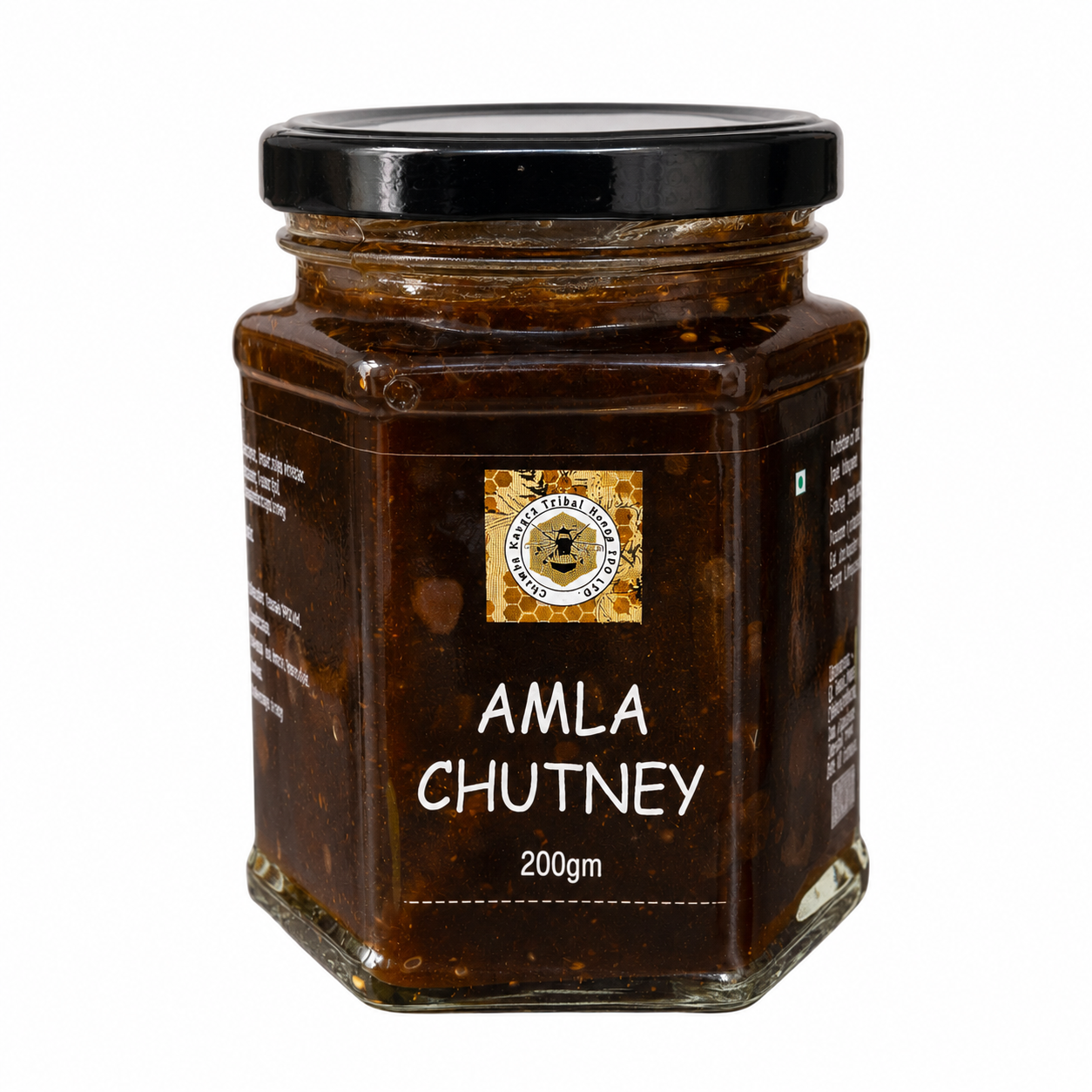
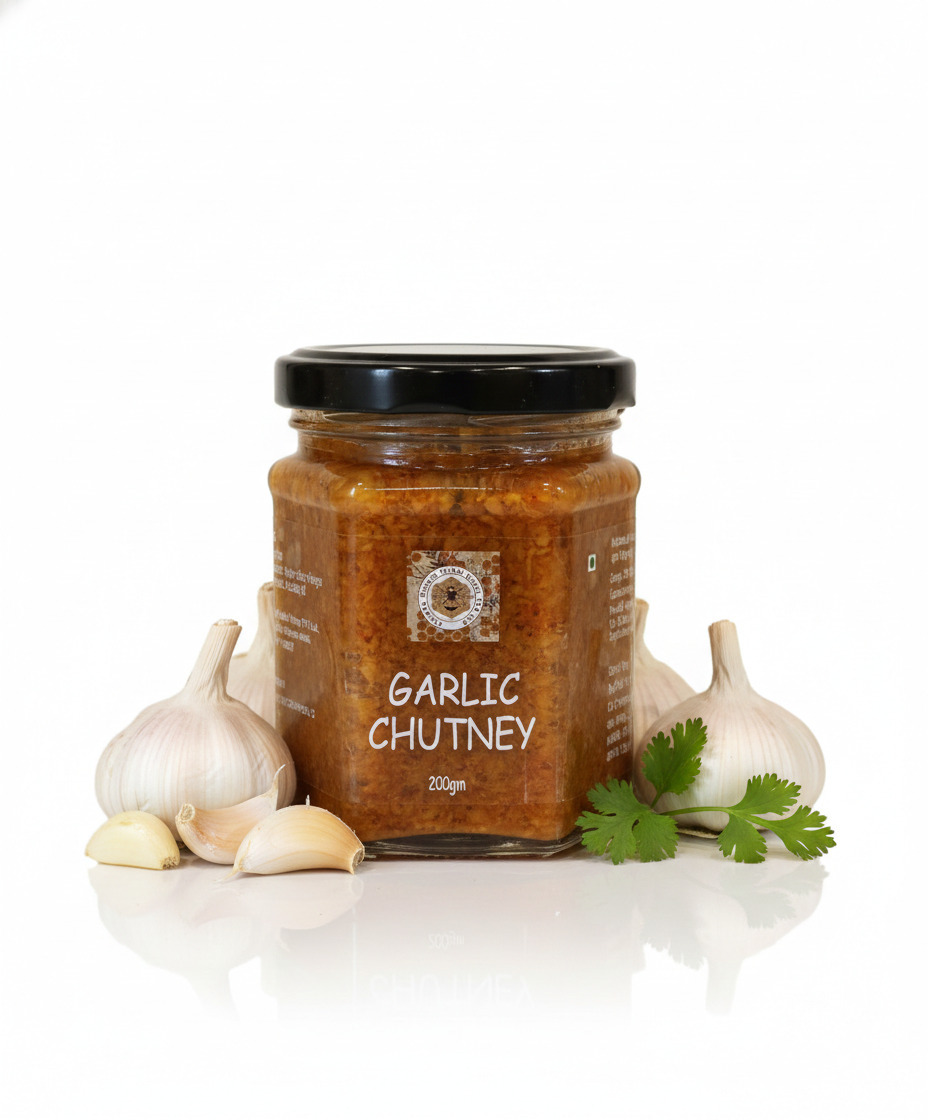
The strongest product pages show the front photo, readable label, Net Quantity, ingredient list, storage instructions and best-before context. If a jar uses oil, syrup, vinegar, fruit or spices as part of the character, that should be clear in the product text.
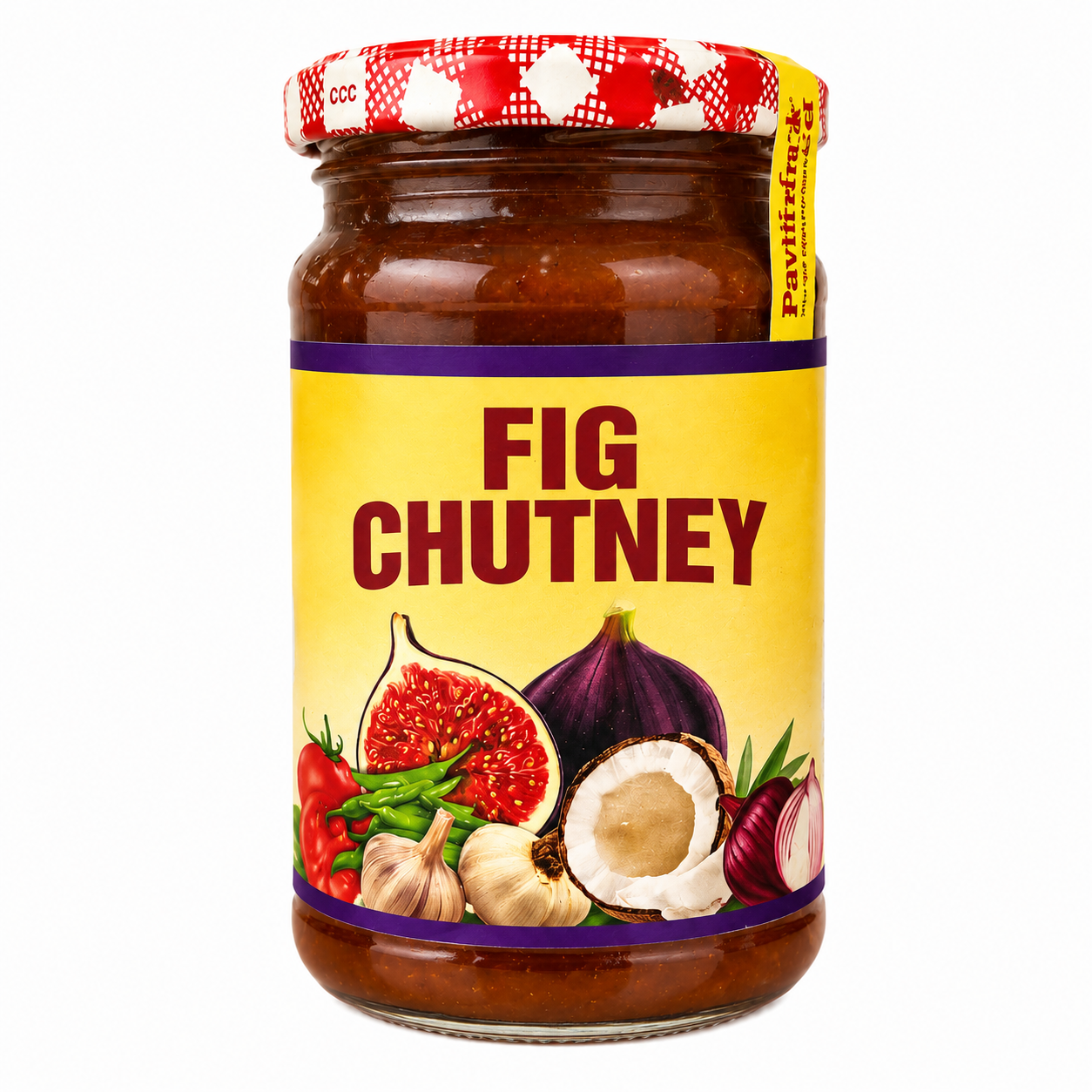
A customer should also know the food job. Apple pickle, amla chutney, fig chutney, seasonal fruit pickle and pahadi rattan-style products may all belong in the jar-food family, but they suit different plates.
- Ingredient list and main fruit/vegetable
- Oil, syrup, vinegar or spice base where visible
- Net Quantity and best-before
- Storage after opening
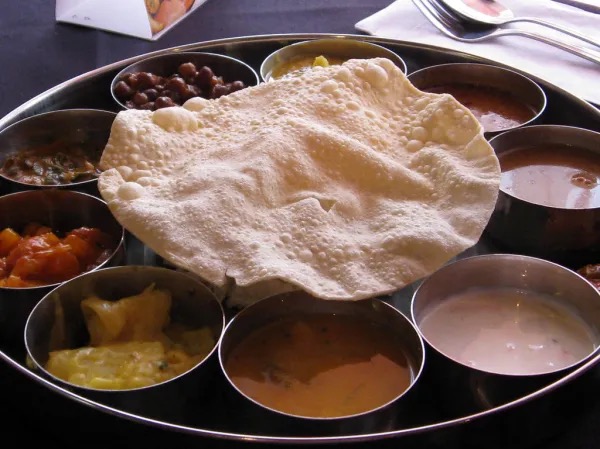
- Serving fit: paratha, dal-rice, snacks, travel meals or gifting
What Dharampur context can responsibly say
If the product record supports Dharampur source context, the page can say that plainly and keep the rest grounded in the jar itself. It should not invent a kitchen, producer quote, batch method or village scene without source material.
That restraint still leaves room for a good story. The honest story is the shelf-to-meal journey: a real jar, a readable label, a meal pairing and a clear explanation of why source and storage matter for concentrated foods.
How to serve it at home
Start with a small spoon beside plain foods: dal-rice, curd rice, paratha, poha-style breakfasts, mathri, crackers or a simple snack plate. Pickles and chutneys are concentrated, so a little usually gives enough flavour.
Use a clean, dry spoon and close the jar tightly. If the label asks for refrigeration or cool dry storage after opening, follow that instruction first.
What this means on the HFN shelf
For shoppers, source context matters only when it connects back to real products such as pickle, chutney, apple pickle, amla chutney, fig chutney. The article should help the customer understand what is verified, what the label says and how the product fits a normal order.
A source note can be small and still useful. It can show the product family, the available source context, the actual catalog image and the practical buyer checks: Net Quantity, ingredients or material, storage, shelf life and serving or gifting fit.
- Use real product photos first
- Keep source claims traceable
- Connect the story to buying decisions
- Avoid invented people, places or production scenes