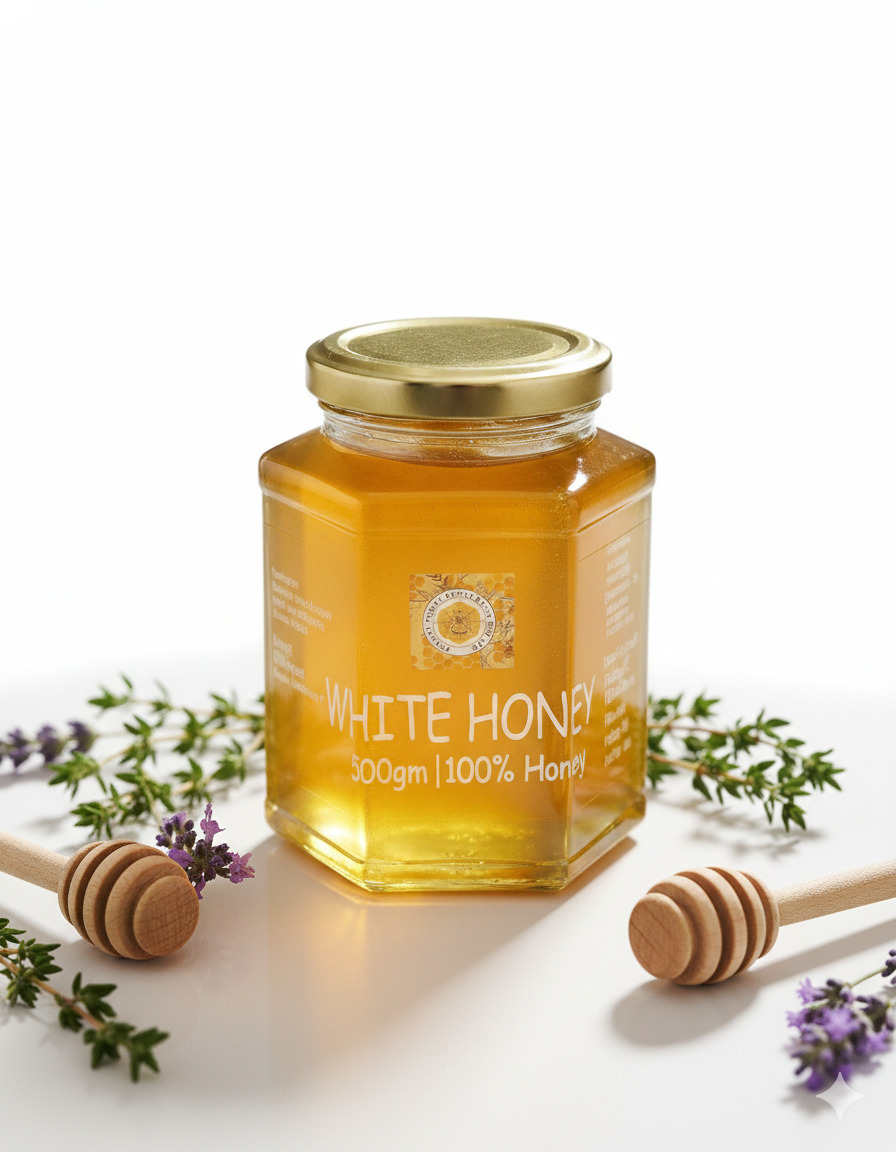
Why Chamba and Kangra context matters
Honey shoppers often notice regional names because they suggest place, season and source identity. That interest is valid, but the article has to keep the claim tied to the product record. Chamba or Kangra context should help a shopper understand the honey page, not create a scenic story that the catalog cannot prove.
For HFN, the useful customer promise is clarity: which honey SKU is being discussed, what the label says, what source wording is verified and how the product fits everyday use such as tea, curd bowls, toast, gifting or a regional discovery basket.
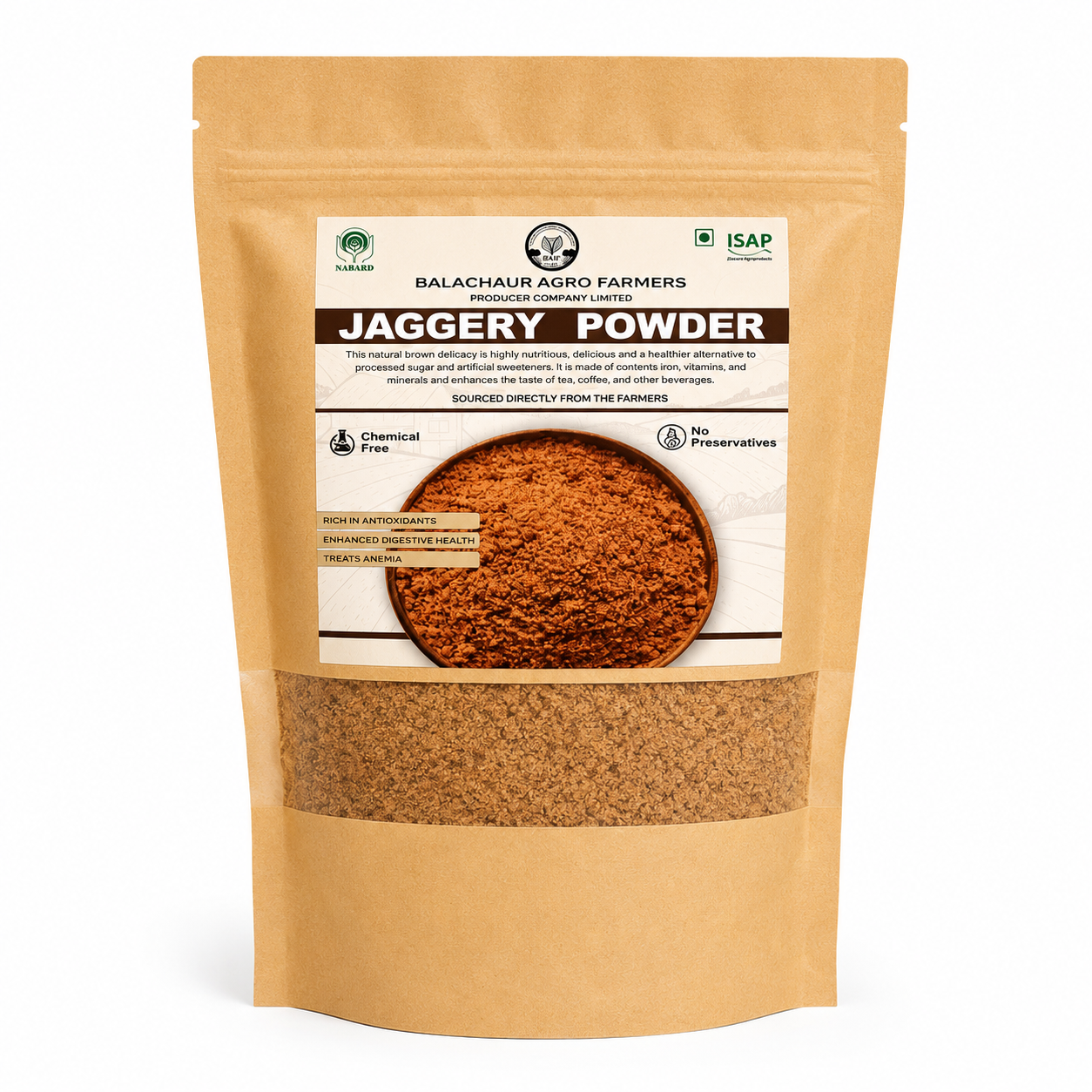
What the honey page should make visible
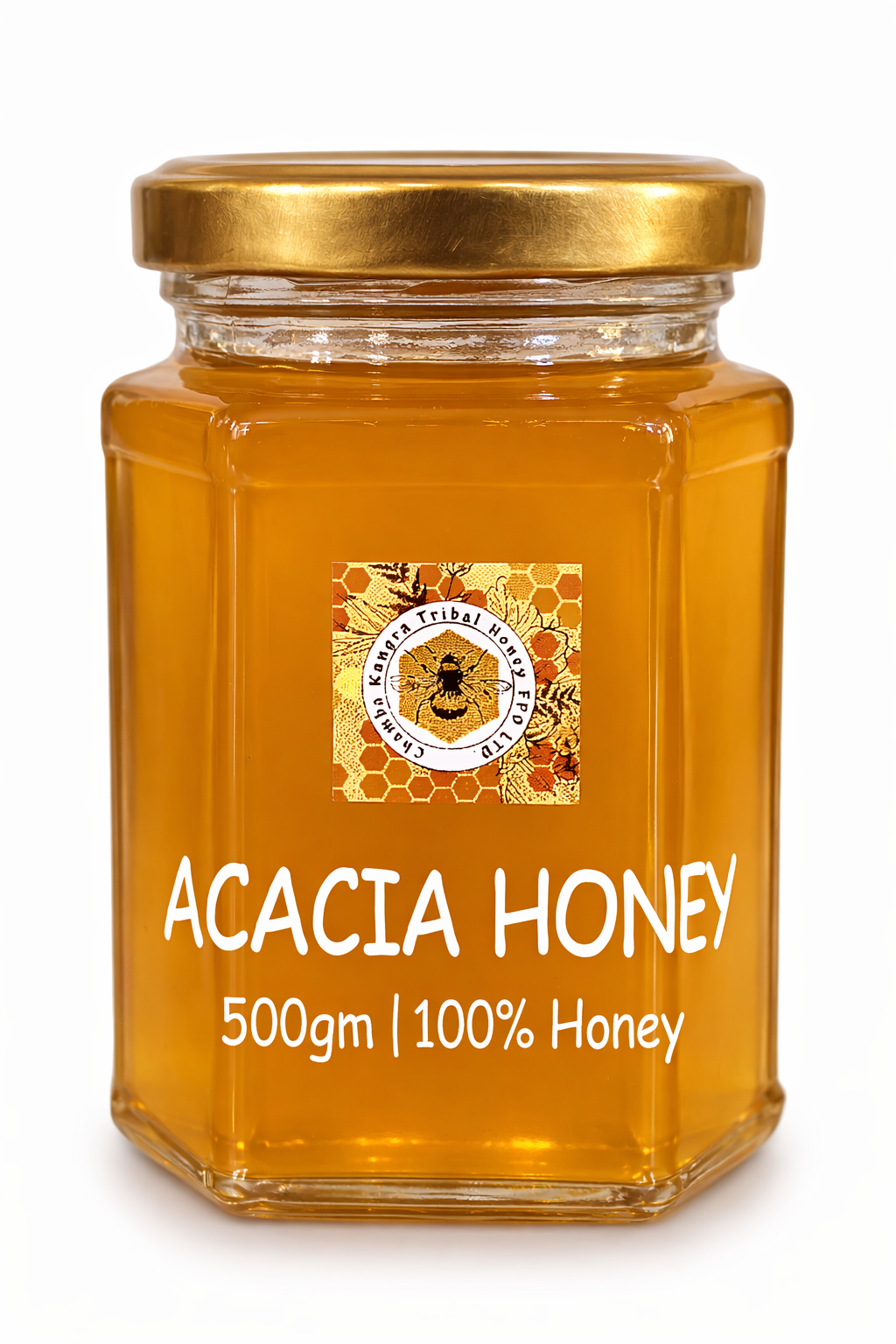
A source note becomes valuable when it points the shopper back to visible facts. The product page should show the actual honey jar, Net Quantity, ingredient list, storage, best-before context and any verified source or producer wording.
If a producer or FPO record is available, the source note can name the approved display context. If the record is partial, the page should stay with district/state-level context and product facts rather than inventing beekeeper names, apiary scenes or harvest details.
- Exact honey product name and SKU family
- Net Quantity and storage instruction
- Verified source wording where present
- Actual product or label photos
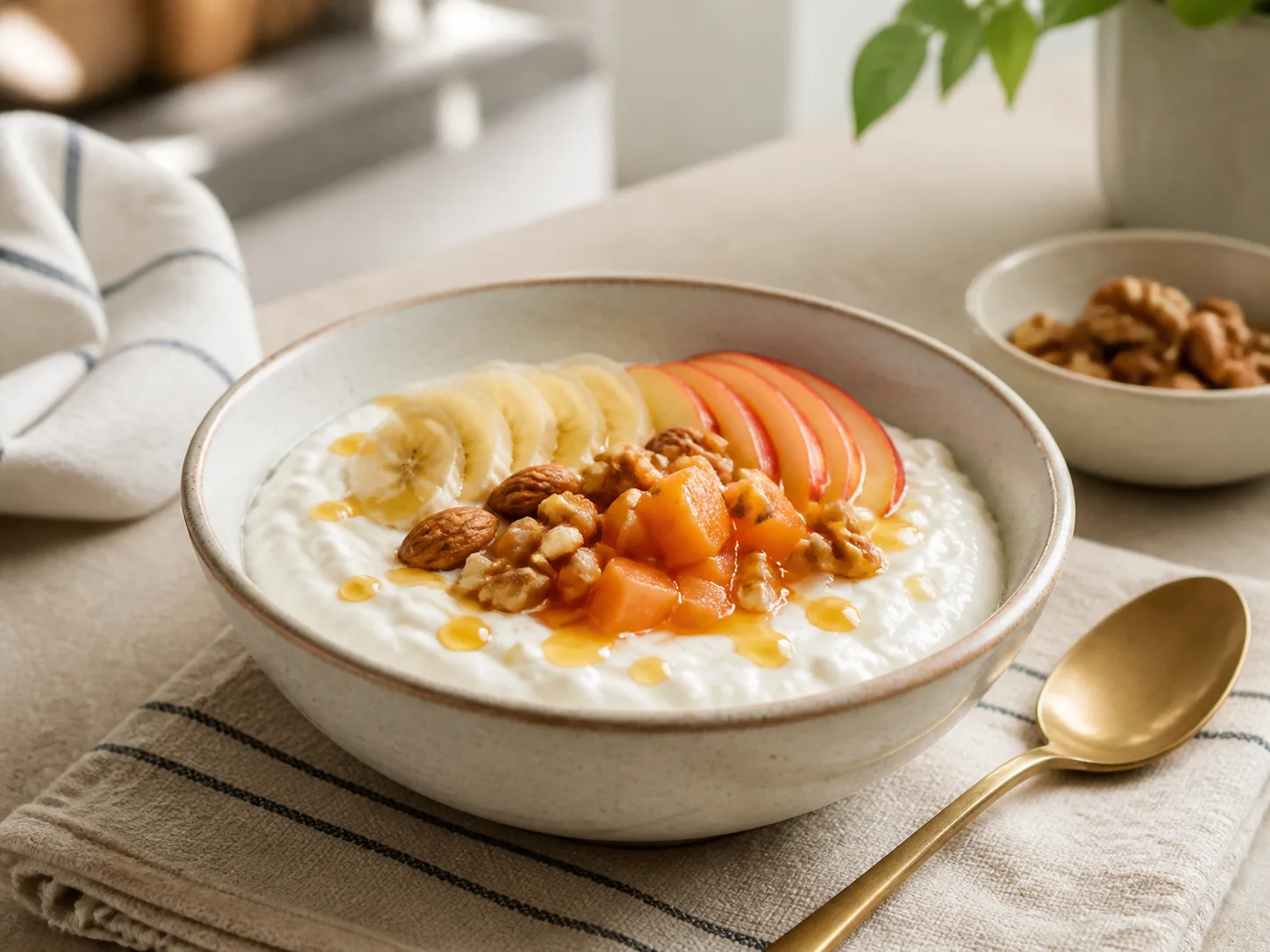
- Serving fit: tea, breakfast, desserts or gifting
How a shopper can use the note
Use the source note as a confidence check, then compare the product like any other honey: pack size, taste expectation, price, storage and intended use. A smaller pack can suit trial or gifting. A larger pack can suit daily tea and breakfast if the household already likes that style.
Regional context should not turn honey into a medical product. HFN can explain source, flavour direction, label reading and serving use while avoiding cure, immunity or therapeutic claims.
How this can become a fuller story
A fuller honey story can be published when HFN has permissioned media, producer context, interview notes or source documentation and a reviewed product-source link. Until then, this source note is the right customer-facing format: honest, useful and connected to the product shelf.
What this means on the HFN shelf
For shoppers, source context matters only when it connects back to real products such as honey, white honey, acacia, sweetener. The article should help the customer understand what is verified, what the label says and how the product fits a normal order.
A source note can be small and still useful. It can show the product family, the available source context, the actual catalog image and the practical buyer checks: Net Quantity, ingredients or material, storage, shelf life and serving or gifting fit.
- Use real product photos first
- Keep source claims traceable
- Connect the story to buying decisions
- Avoid invented people, places or production scenes