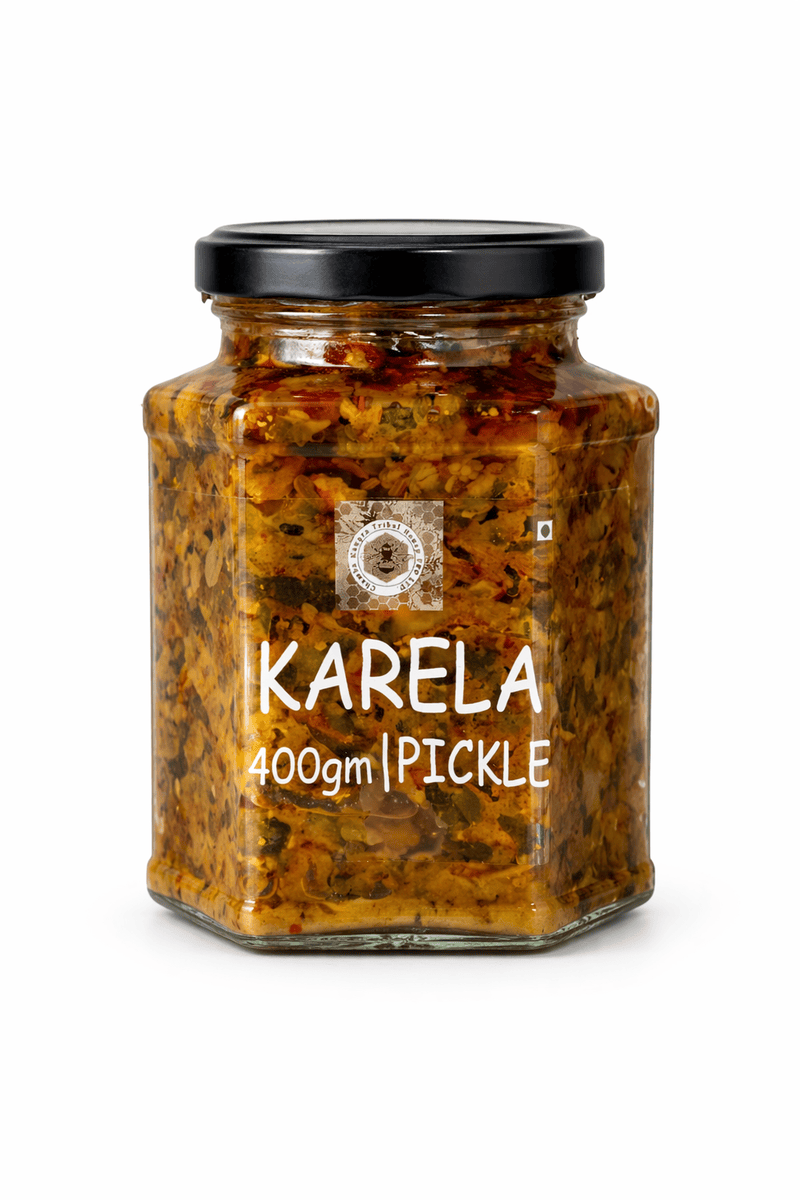
Start with the product, not the romance
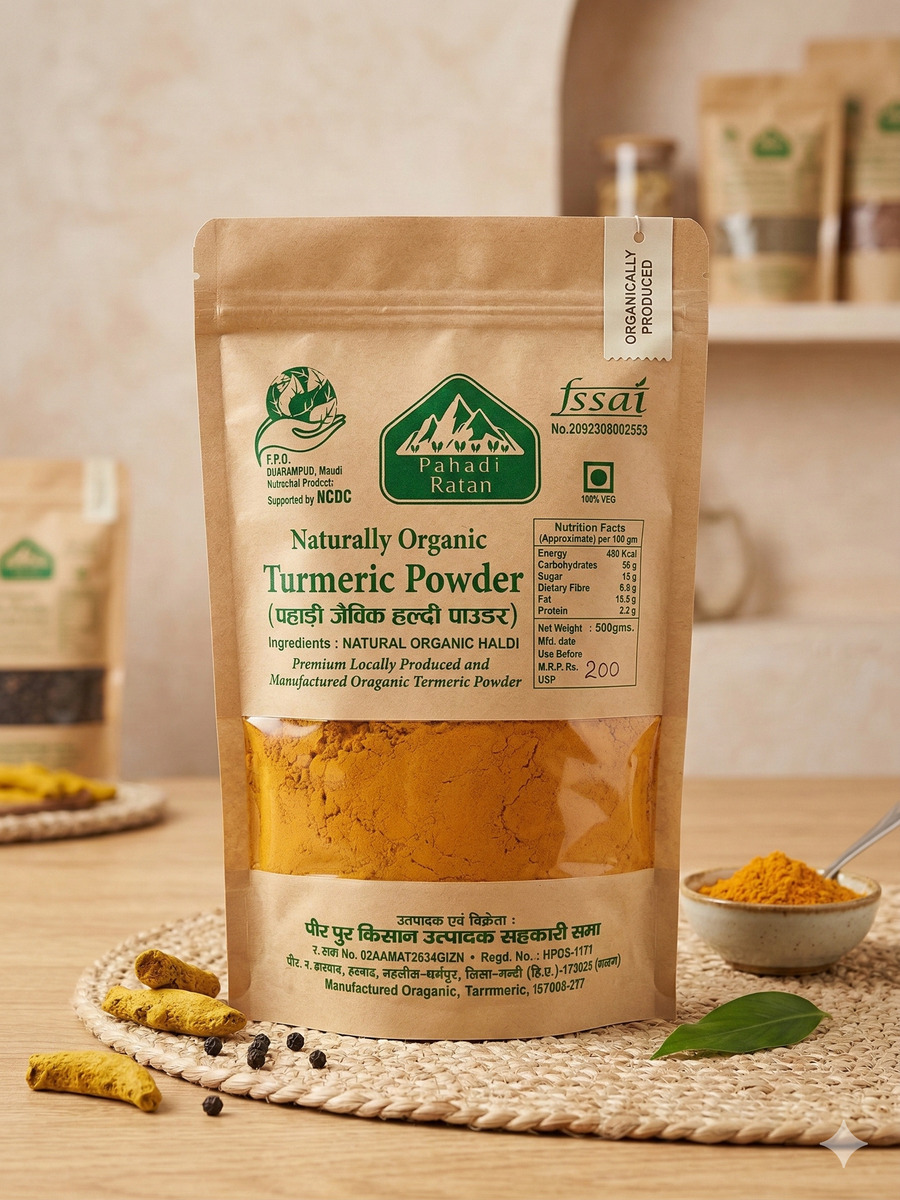
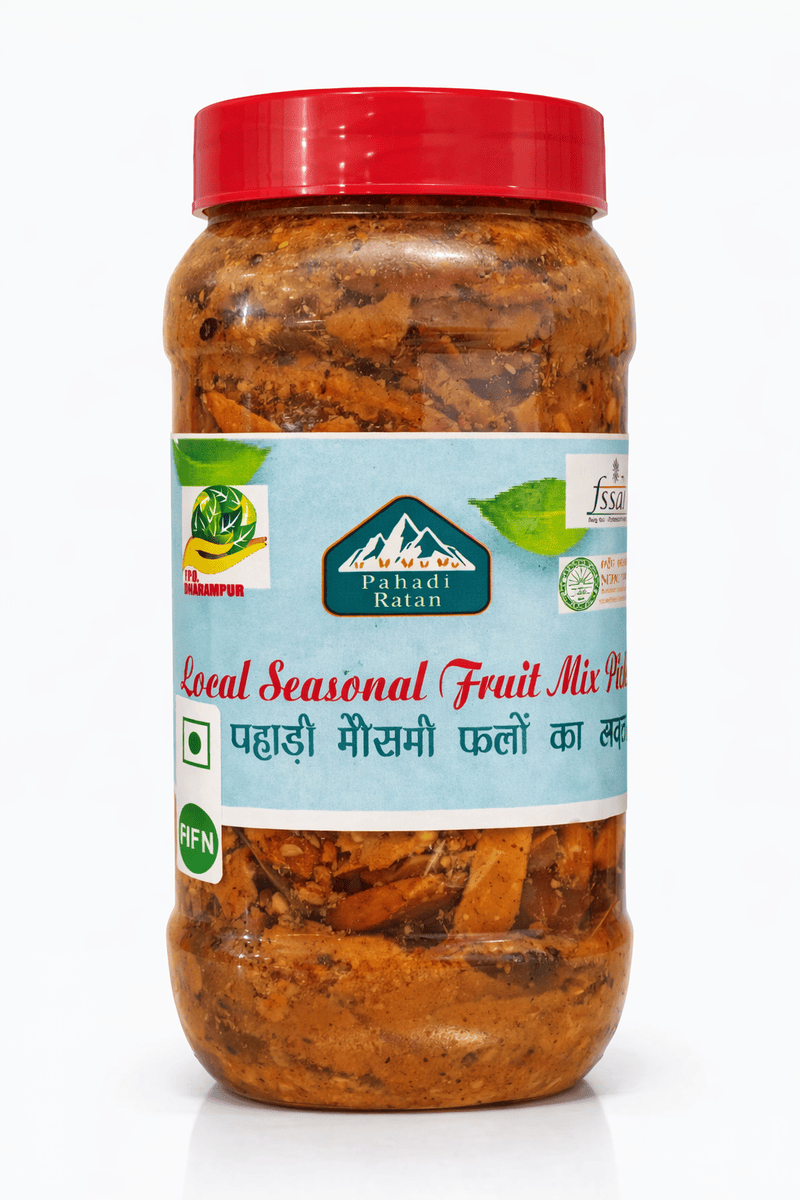
HFN sells real pantry and home products, so every source story starts with the item on the shelf: the honey jar, pickle bottle, squash, flour, masala, tray or gift pack that a customer can actually buy.
The first editorial question is simple: what can we prove about this product today? A safe story can use the catalog name, label details, producer or vendor record, district/state context and product photos. It cannot fill gaps with invented farmer names, generic mountain scenes or emotional copy that has no source behind it.
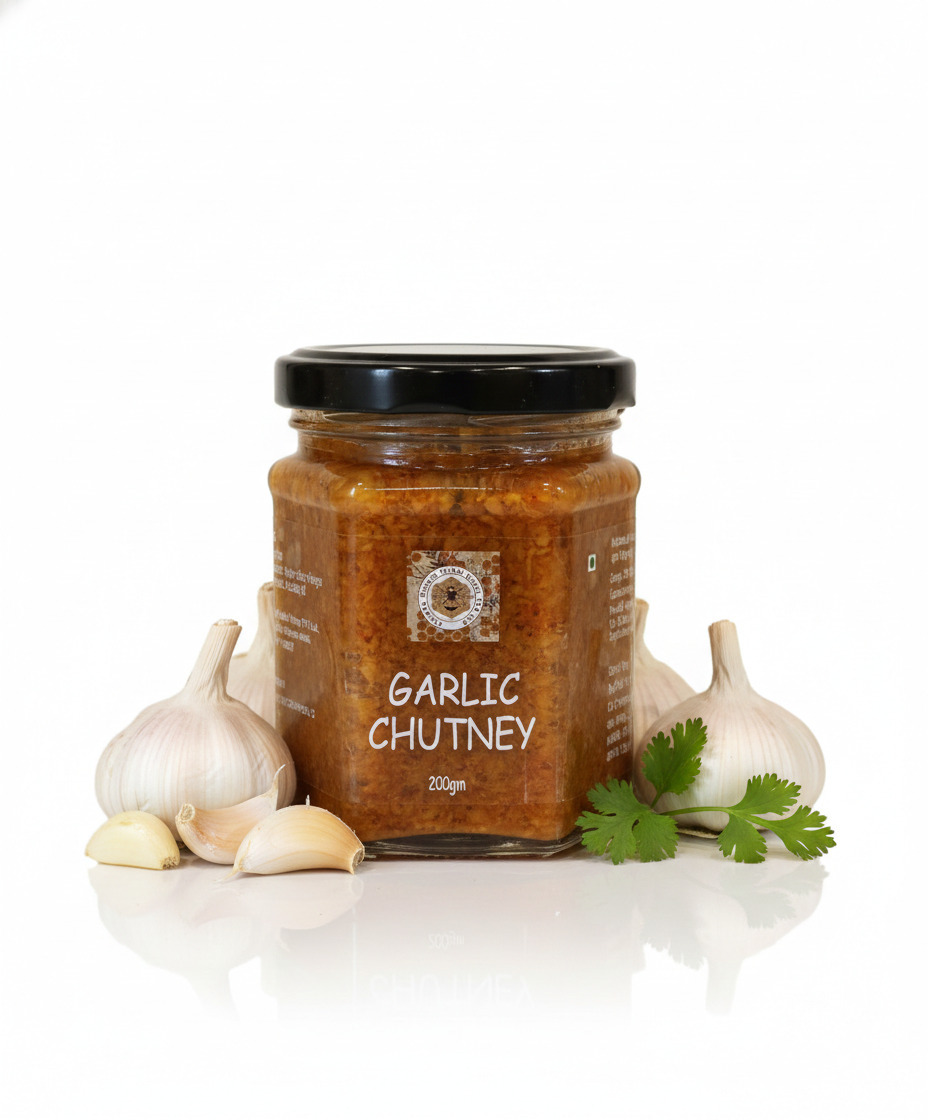
What a verified source story contains
A full HFN source story needs enough evidence for a shopper and the internal team to trace the claim later. The story does not have to be dramatic; it has to be specific. If a honey product is linked to a producer group, the page should name the product family, explain the source relationship at the right level of detail and show how that context affects buying decisions such as taste expectation, storage, label reading or gifting.
When the record is thinner, the page can still be useful as a source note. The tone changes from “this is the farmer story” to “this is what we know so far.” That honesty is better for trust than pretending every SKU already has a field visit, interview and photo essay behind it.
- Producer or FPO display name when verified
- District and state context where approved
- Products linked to the source record
- Product or label photos from the actual catalog
- Source URL, document reference or internal verification note
- Last reviewed date
How the story helps a buyer
The buyer does not need a lecture on sourcing. They need confidence. A useful source story answers practical questions: is this a regional product, what product family does it belong to, what does the label say, what is the net quantity, how should it be stored and which other HFN products sit naturally with it?
For example, a honey source page can connect floral or regional language back to the exact honey SKUs. A pickle source page can explain the jar-food family, oil/salt/storage context and why label photos matter. A rhododendron drink story can stay with the drink format and serving ratio instead of drifting into health claims.
What HFN will not do
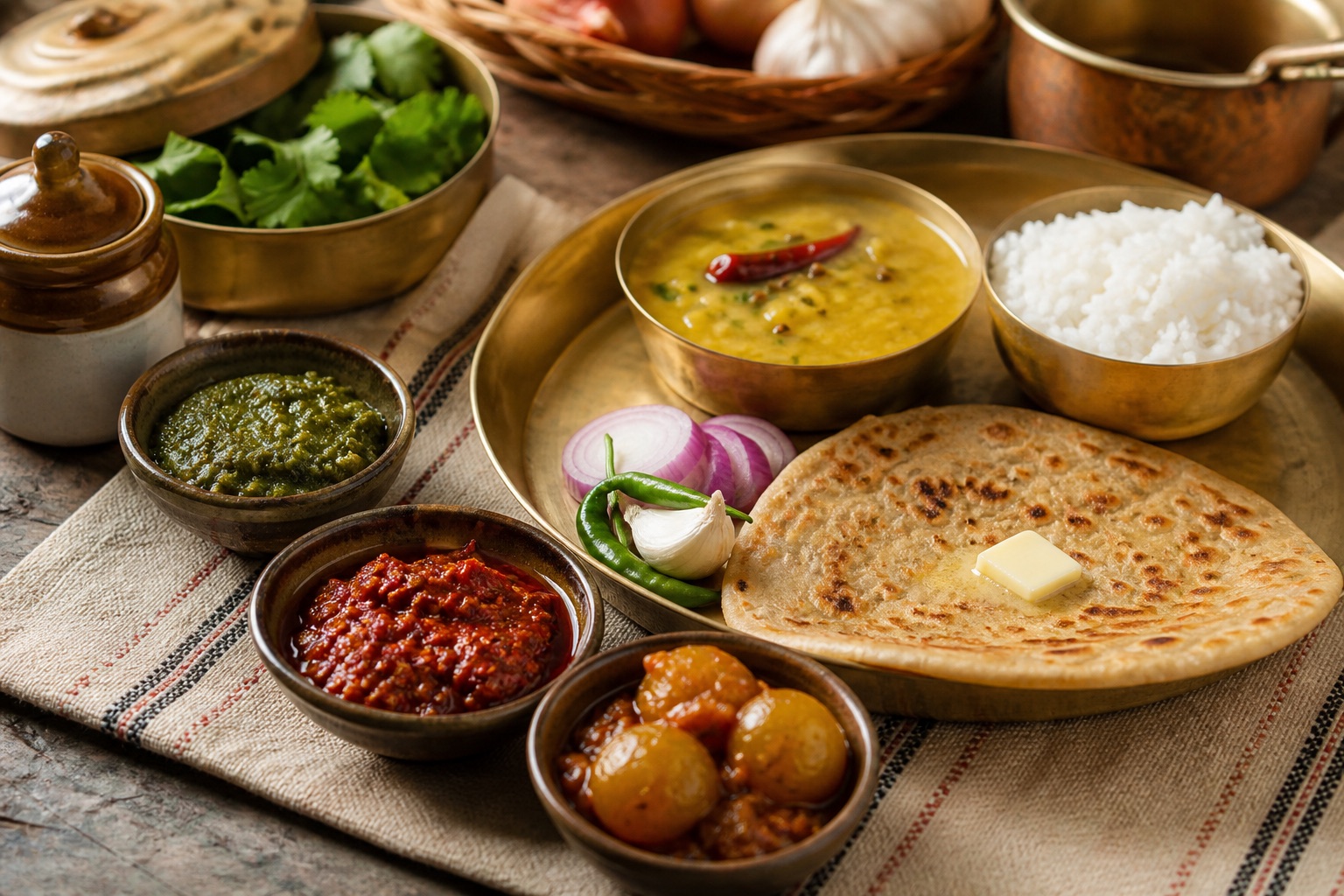
HFN will not publish fake quotes, borrowed farm photos, guessed village names, hardship stories or certification hints that are not present in the record. Generic visuals can only support mood or serving context when they are clearly captioned as illustrative.
That restraint is part of the brand experience. The journal can still feel warm and editorial, but the warmth must come from real product context: the jar, the label, the shelf, the serving moment and the verified source trail behind it.