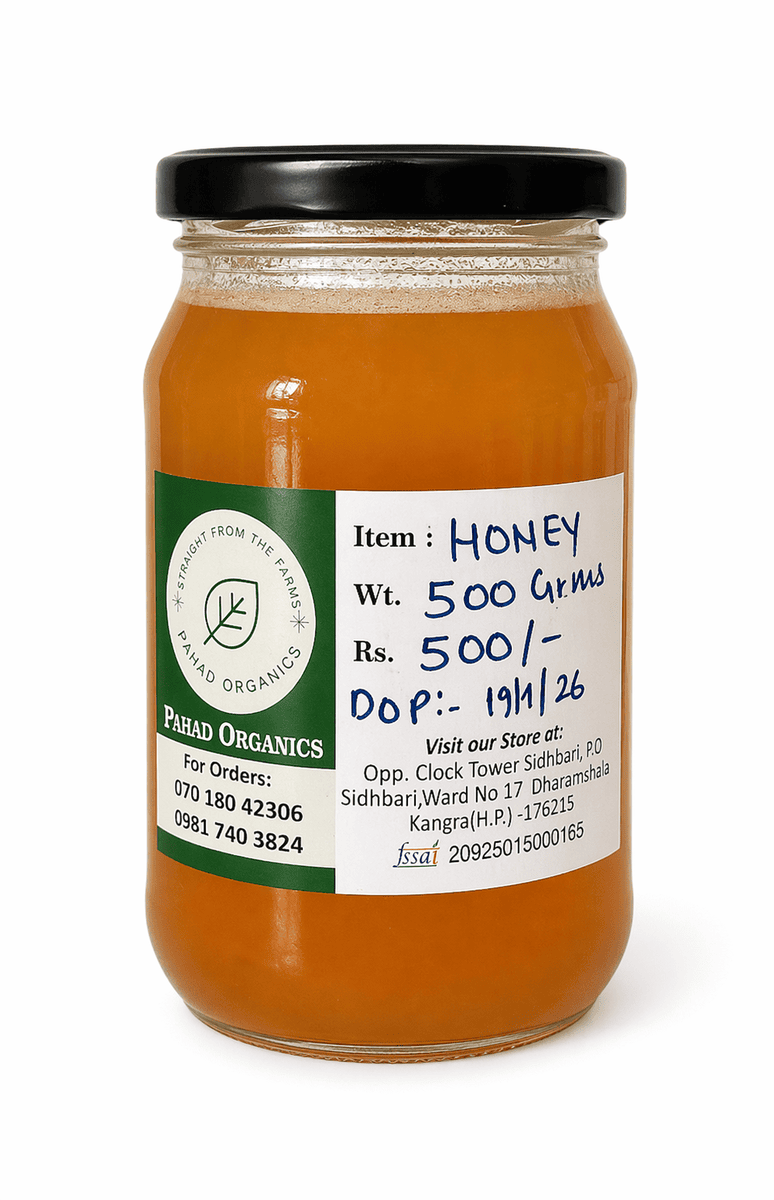
Read the honey page like a source record
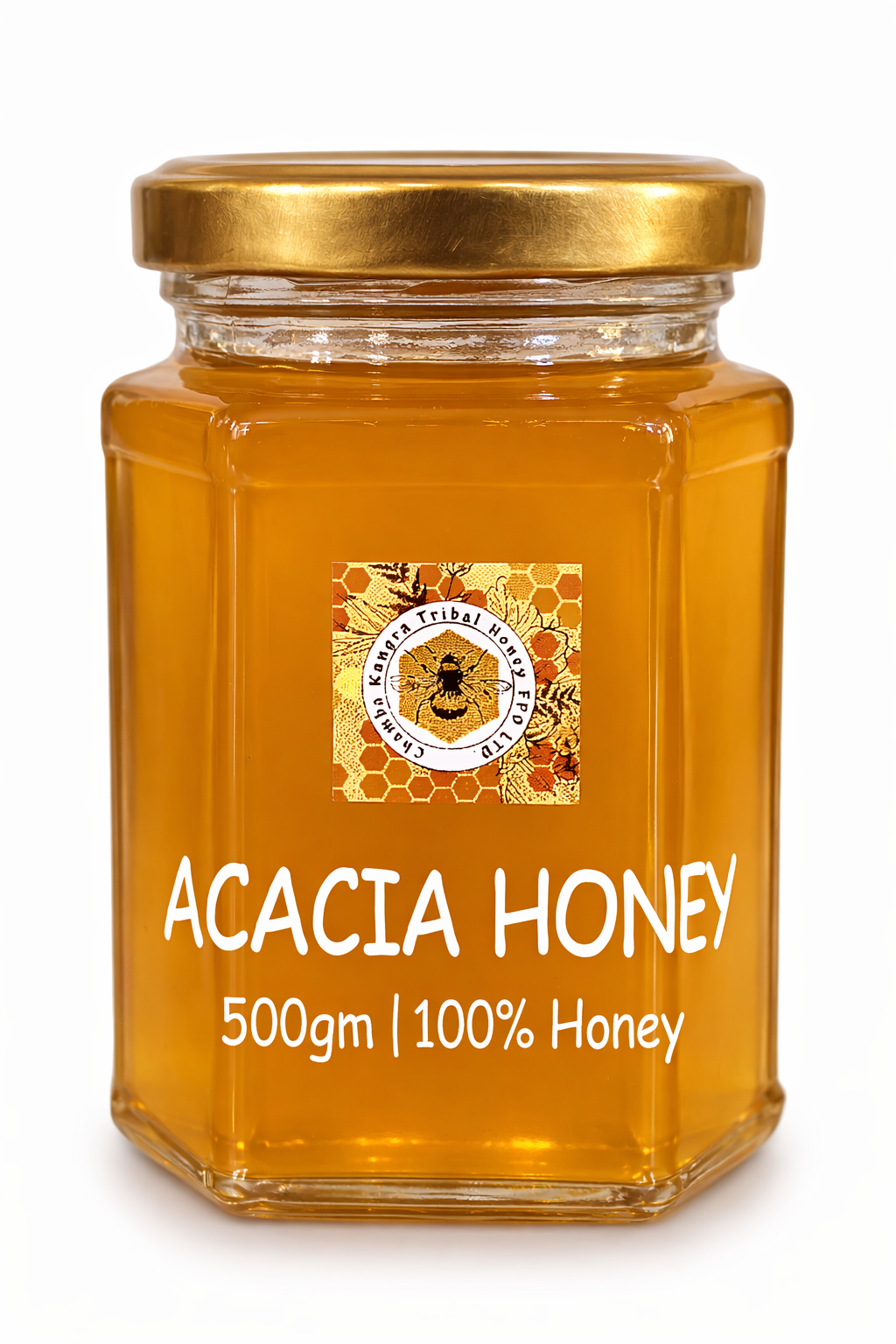
Start with the exact product name and pack size. HFN may carry white honey, acacia honey and other honey SKUs, but those words are not enough by themselves. A stronger page tells the shopper what the product is, how much is in the pack, what the ingredient list says and whether any source or floral wording is actually supported by the product record.
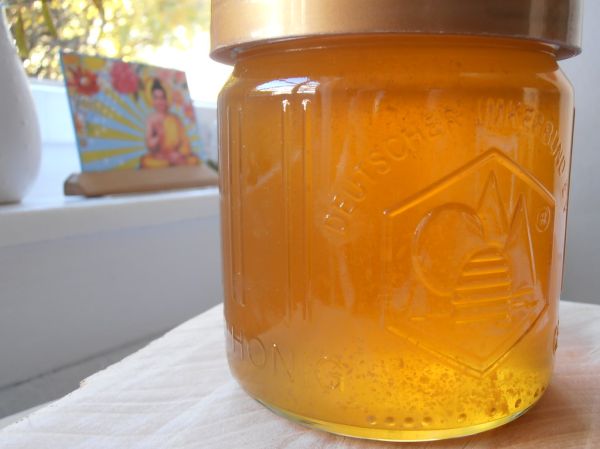
Colour is only one cue. Light, dark, thick or crystallised honey can vary by source, season and handling. The safer buying decision comes from label clarity, storage guidance, verified source context and the intended use: tea, breakfast bowls, toast, gifting or pantry sweetening.
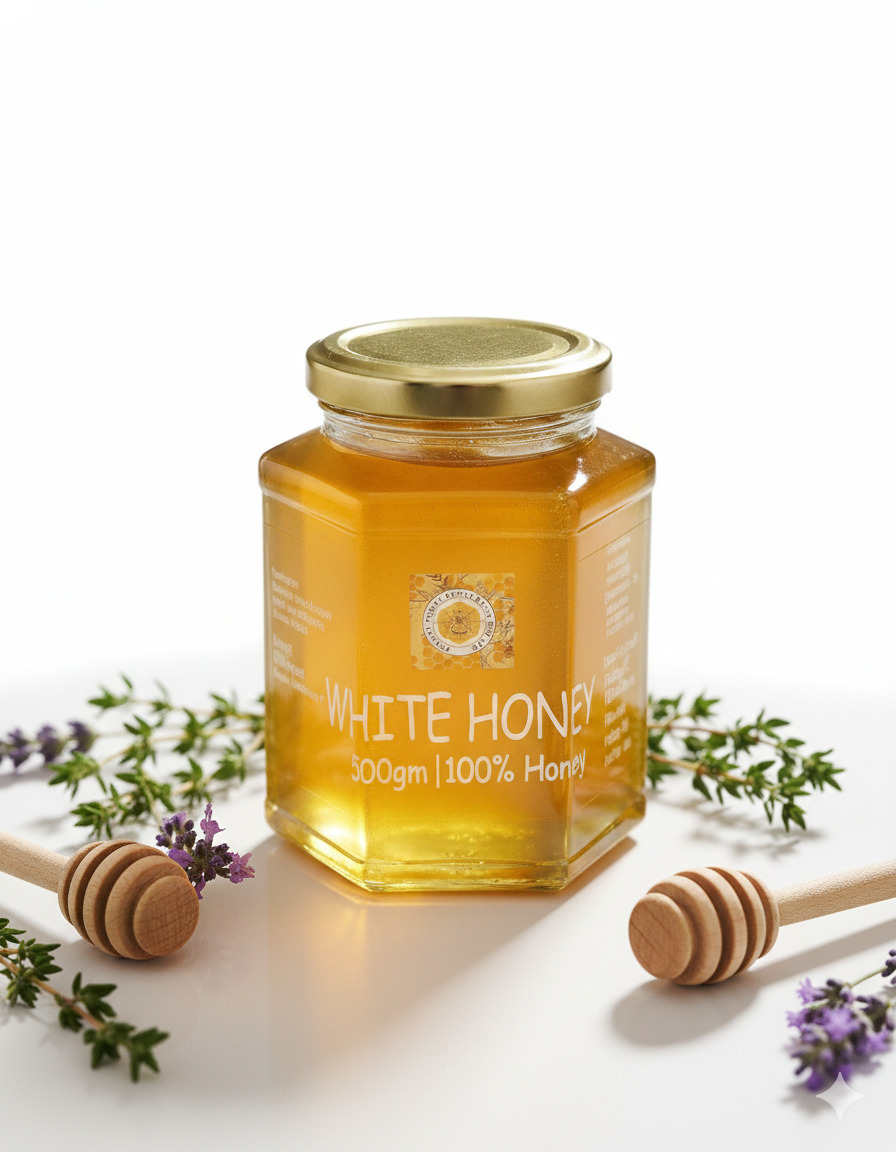
What source transparency looks like
A transparent honey listing does not need dramatic copy. It needs traceable details. If a product is linked to a place, producer group or floral source, the page should make that link visible and avoid expanding it beyond the record.
If the source is still being verified, HFN can say less and still be useful. The page can focus on the honey format, taste expectation, Net Quantity, storage and product photos while the deeper producer profile is collected.
- Exact honey SKU and pack size
- Ingredient list and storage instruction
- Source or producer wording only when verified
- Label or product photo that supports the listing
- Serving context such as tea, curd, toast or gifting
How to use this as a shopper
Choose honey by the job you want it to do. A smaller jar may suit first-time tasting or gifting. A larger jar may suit daily tea and breakfast use. Acacia, white honey and pahad-style products can feel different in flavour and texture, but the product page should carry the burden of proof.
Avoid treating honey as a cure or wellness shortcut. HFN Learn can help with taste, storage, comparison and source clarity; medical or therapeutic claims do not belong on the page.
What this means on the HFN shelf
For shoppers, source context matters only when it connects back to real products such as honey, white honey, acacia, sweetener. The article should help the customer understand what is verified, what the label says and how the product fits a normal order.
A source note can be small and still useful. It can show the product family, the available source context, the actual catalog image and the practical buyer checks: Net Quantity, ingredients or material, storage, shelf life and serving or gifting fit.
- Use real product photos first
- Keep source claims traceable
- Connect the story to buying decisions
- Avoid invented people, places or production scenes