Differentiate by use, not vague claims
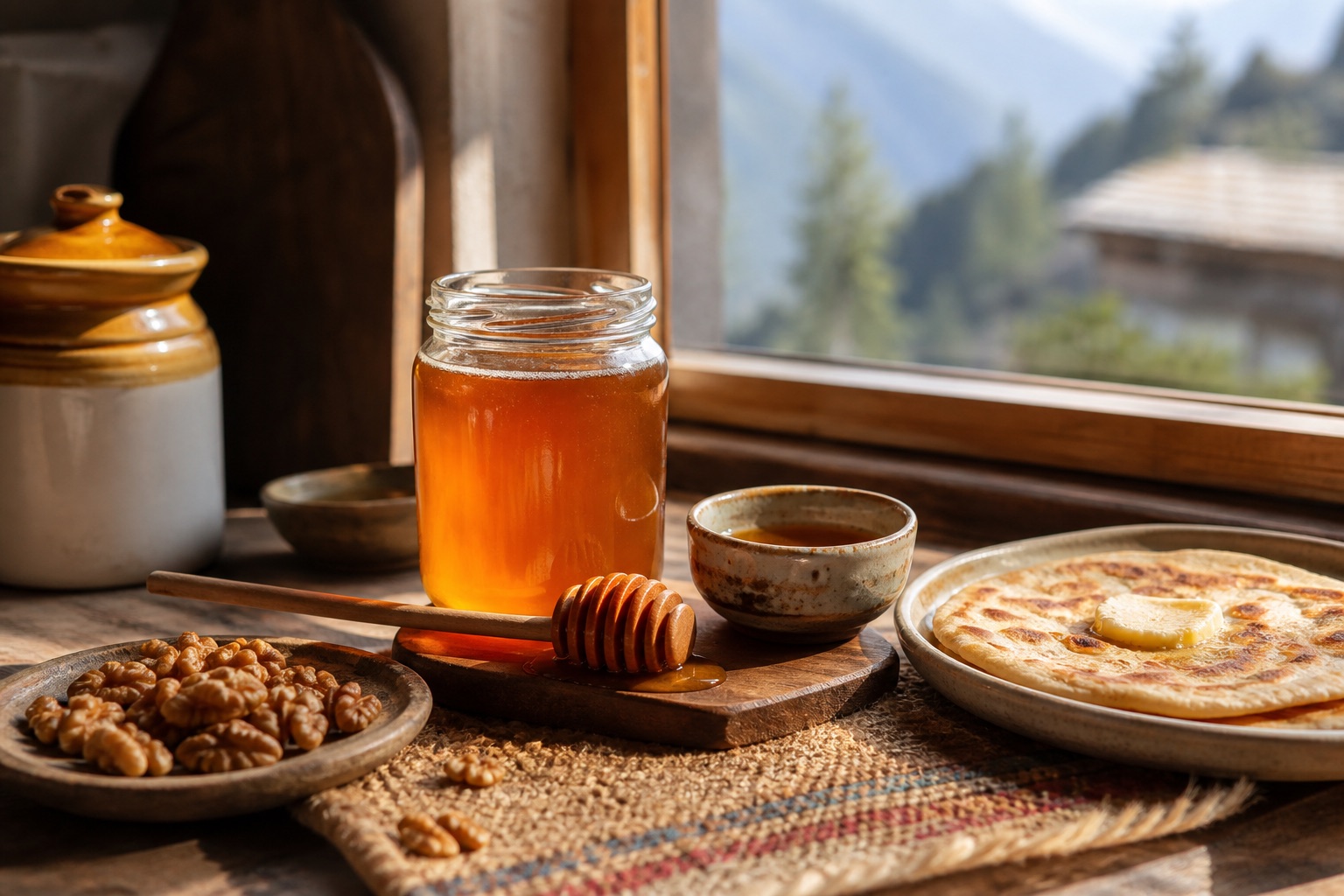
Customers understand honey better when the jar tells them where it fits: breakfast, tea, gifting, winter pantry or recipe use.
If the group can separate batches by floral source or harvest area, that story can help. If not, keep the label simple and honest.
- Separate lot numbers
- Check moisture and filtration consistency
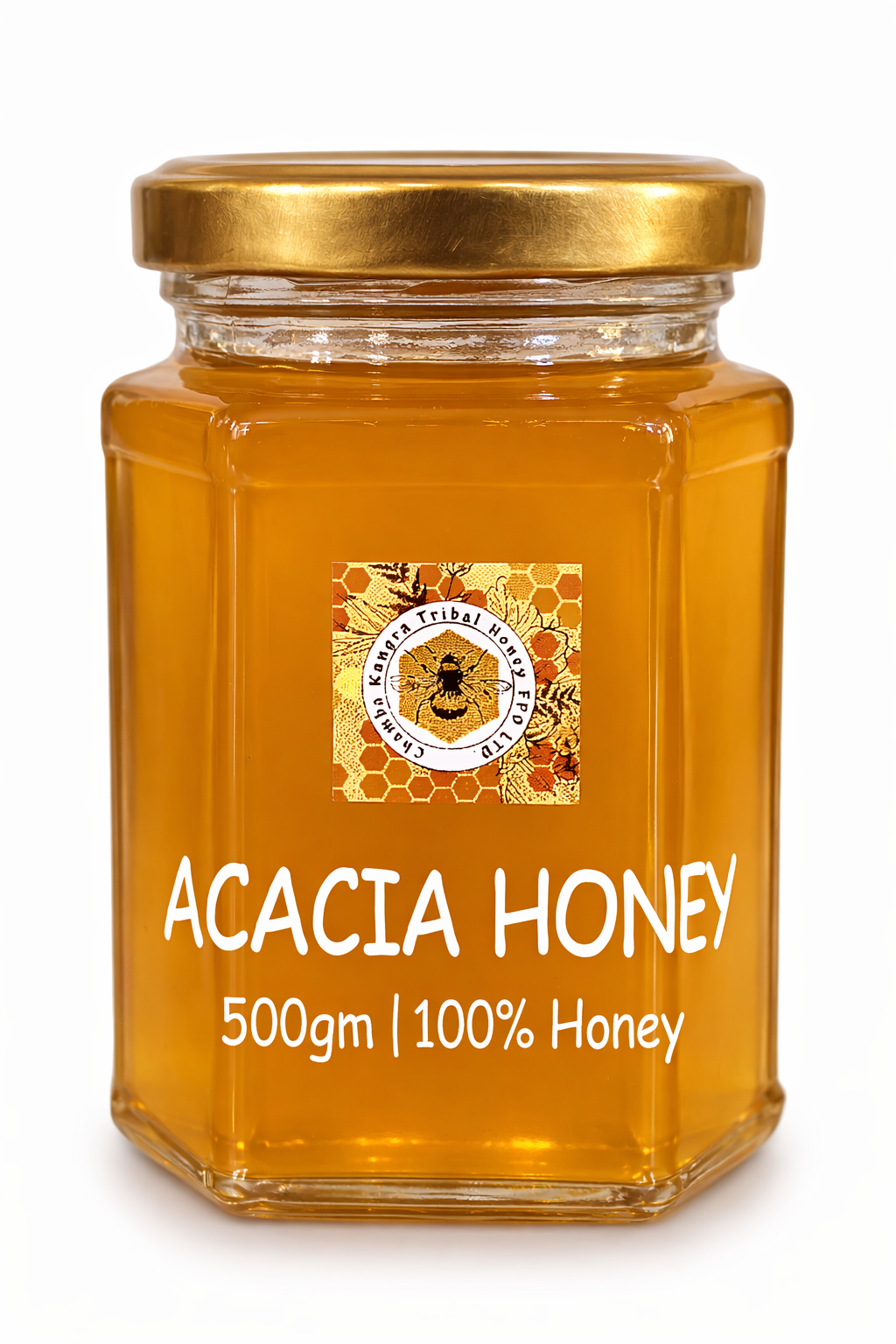
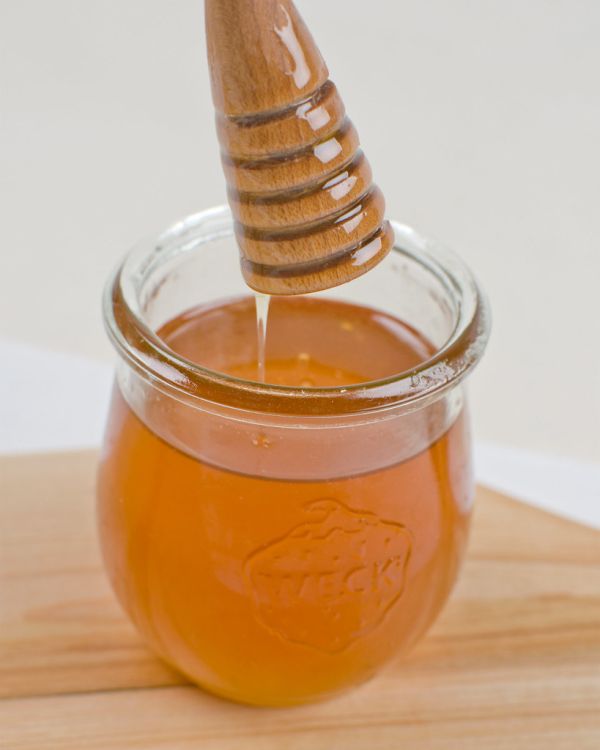
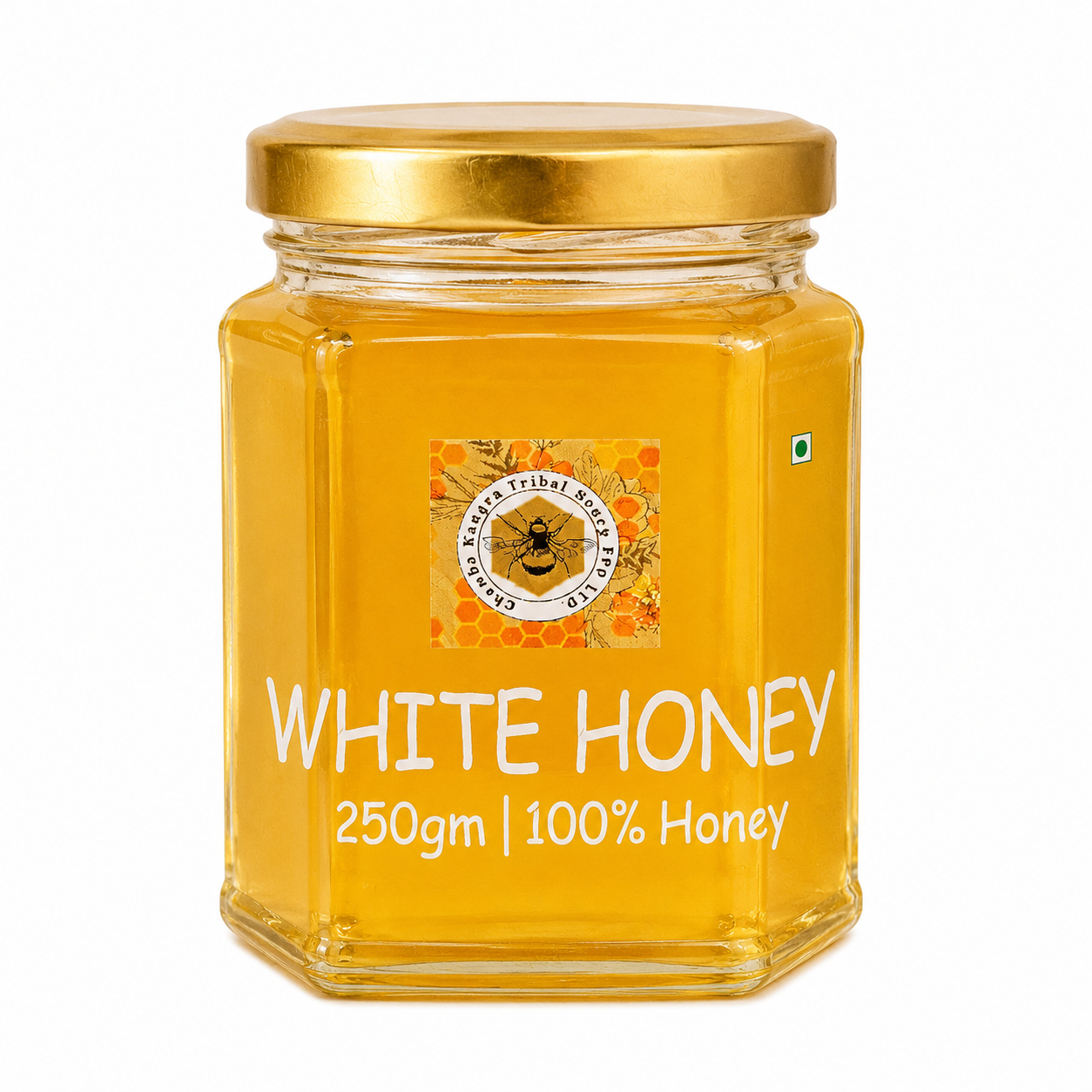
- Use transparent jar photos
- Explain crystallization without fear language
Make pack sizes do the selling
A 210g trial jar, 500g family jar and two-jar gift pack can serve different buyers without changing the core product.
Small jars are useful for first orders and gift hampers. Larger jars work only after the customer trusts taste and consistency.
What this means on the HFN shelf
For shoppers, source context matters only when it connects back to real products such as honey, white honey, acacia honey, pahad honey, sweetener. The article should help the customer understand what is verified, what the label says and how the product fits a normal order.
A source note can be small and still useful. It can show the product family, the available source context, the actual catalog image and the practical buyer checks: Net Quantity, ingredients or material, storage, shelf life and serving or gifting fit.
- Use real product photos first
- Keep source claims traceable
- Connect the story to buying decisions
- Avoid invented people, places or production scenes
Run a small proof before investing
Start with one product, one pack size and a short pilot. Record the actual yield after cleaning or processing, packaging cost, labour time, transport, breakage or leakage, retailer margin and customer feedback. A small batch gives the group facts that a large launch cannot replace.
Keep the decision evidence simple and visible to the members: what sold, what came back, what customers asked, how long the product remained stable and whether the final price covered every cost. Scale only after the process, label, pack and repeat demand are dependable.
- Choose one measurable pilot
- Record full packed cost
- Check label and shelf-life requirements
- Review buyer feedback with the group