A drink label must teach dilution
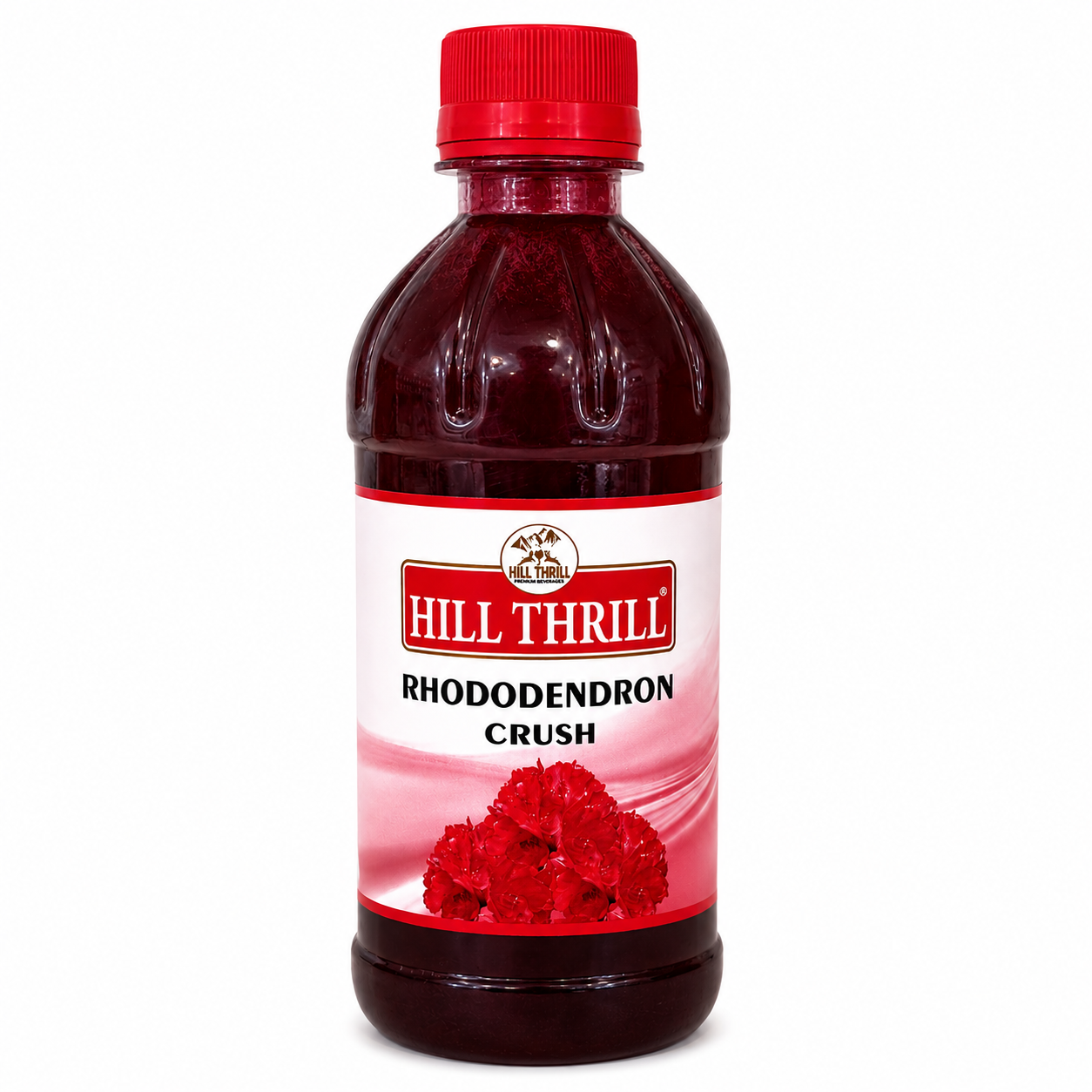
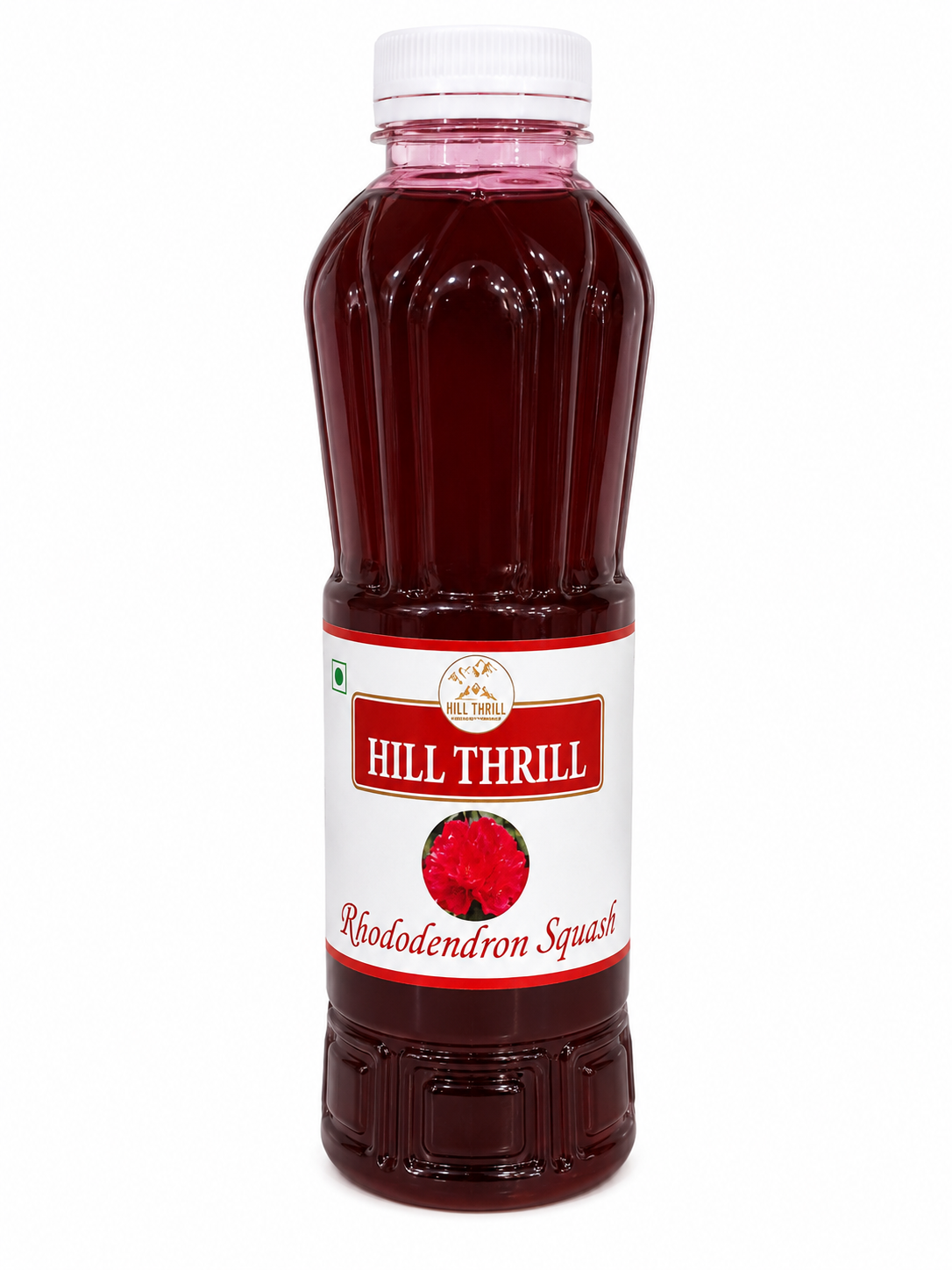
Customers need to know whether a bottle is ready to drink, squash, crush or concentrate. Confusion here causes bad reviews even when the taste is good.
Write dilution ratio, storage after opening and serving ideas clearly on the bottle or product page.
- State ready-to-drink or dilute-before-use
- Show serving ratio
- Use bottle sizes people can finish
- Keep sweetness expectations clear
Build cafe and home use separately
Home buyers need simple summer drink instructions. Cafes need mocktail, soda and dessert topping ideas with predictable cost per glass.
Do not mix both stories on the front label. Use cards, inserts or product-page sections for deeper ideas.
What this means on the HFN shelf
For shoppers, source context matters only when it connects back to real products such as rhododendron, buransh, squash, crush, juice. The article should help the customer understand what is verified, what the label says and how the product fits a normal order.
A source note can be small and still useful. It can show the product family, the available source context, the actual catalog image and the practical buyer checks: Net Quantity, ingredients or material, storage, shelf life and serving or gifting fit.
- Use real product photos first
- Keep source claims traceable
- Connect the story to buying decisions
- Avoid invented people, places or production scenes
Run a small proof before investing
Start with one product, one pack size and a short pilot. Record the actual yield after cleaning or processing, packaging cost, labour time, transport, breakage or leakage, retailer margin and customer feedback. A small batch gives the group facts that a large launch cannot replace.
Keep the decision evidence simple and visible to the members: what sold, what came back, what customers asked, how long the product remained stable and whether the final price covered every cost. Scale only after the process, label, pack and repeat demand are dependable.
- Choose one measurable pilot
- Record full packed cost
- Check label and shelf-life requirements
- Review buyer feedback with the group