Why a source note exists
A Himachali product note is useful when the product record carries regional or producer context, but the editorial desk is still collecting the material required for a full farmer story. It keeps the page honest: shoppers can see what is known, what product it applies to and how that information affects the purchase.
This matters for categories such as honey, rhododendron drinks, pickles, grains and flours because the regional language is part of the appeal. The journal should explain that appeal without turning every product into a scenic story.
What the note should say
The note should name the product family first, then give only the verified source context. A rhododendron drink note can talk about serving ratio, bottle size, storage and regional flavour. A honey note can talk about the exact honey SKU and any verified source wording. A pickle note can talk about the jar-food family, ingredient checks and storage after opening.
The best source notes are practical. They help a shopper compare products, read a label and decide whether the item belongs in a breakfast basket, gifting basket, summer drink shelf or daily pantry order.
- Product family and linked SKUs
- District/state or producer context where verified
- Label details: ingredients, Net Quantity, storage and best-before
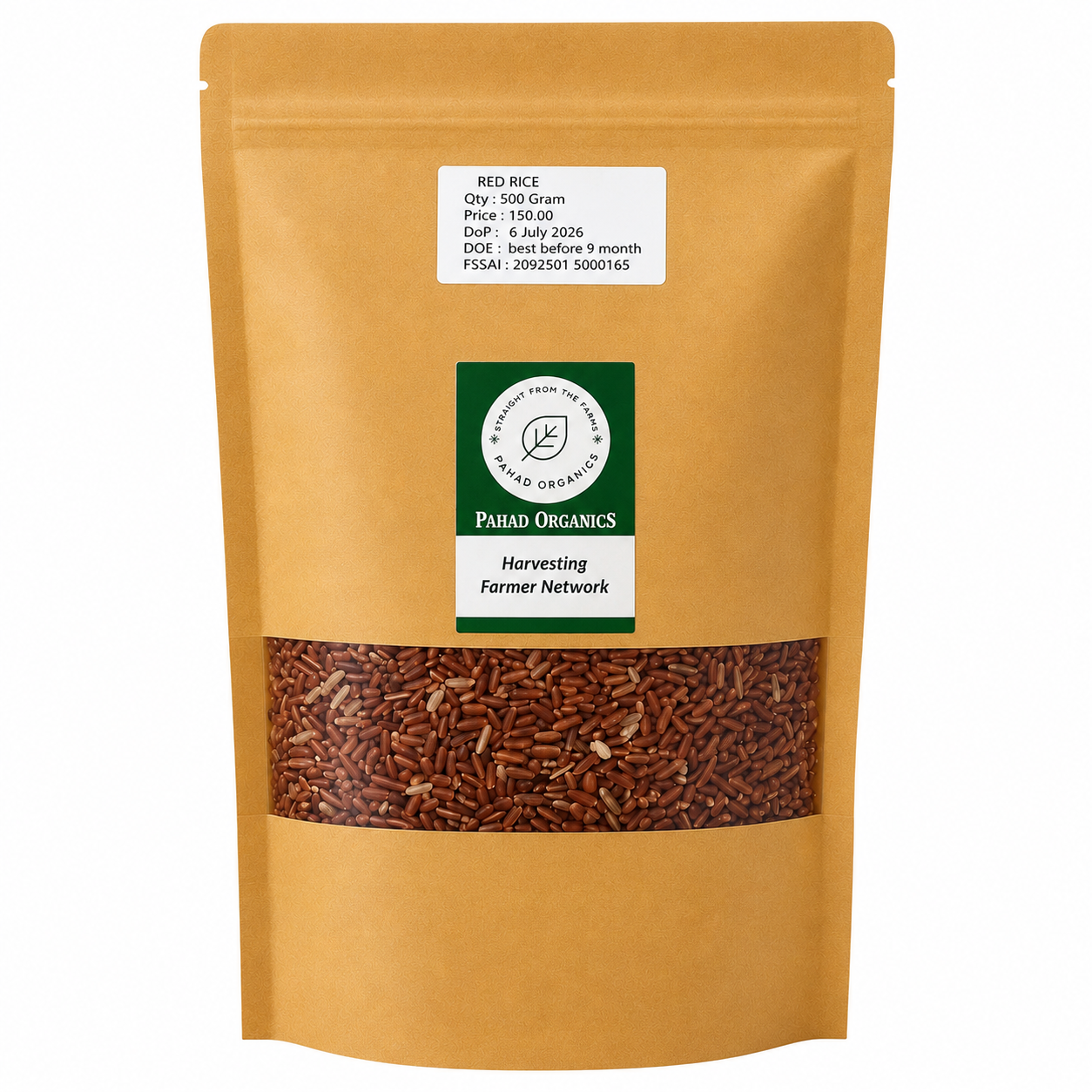
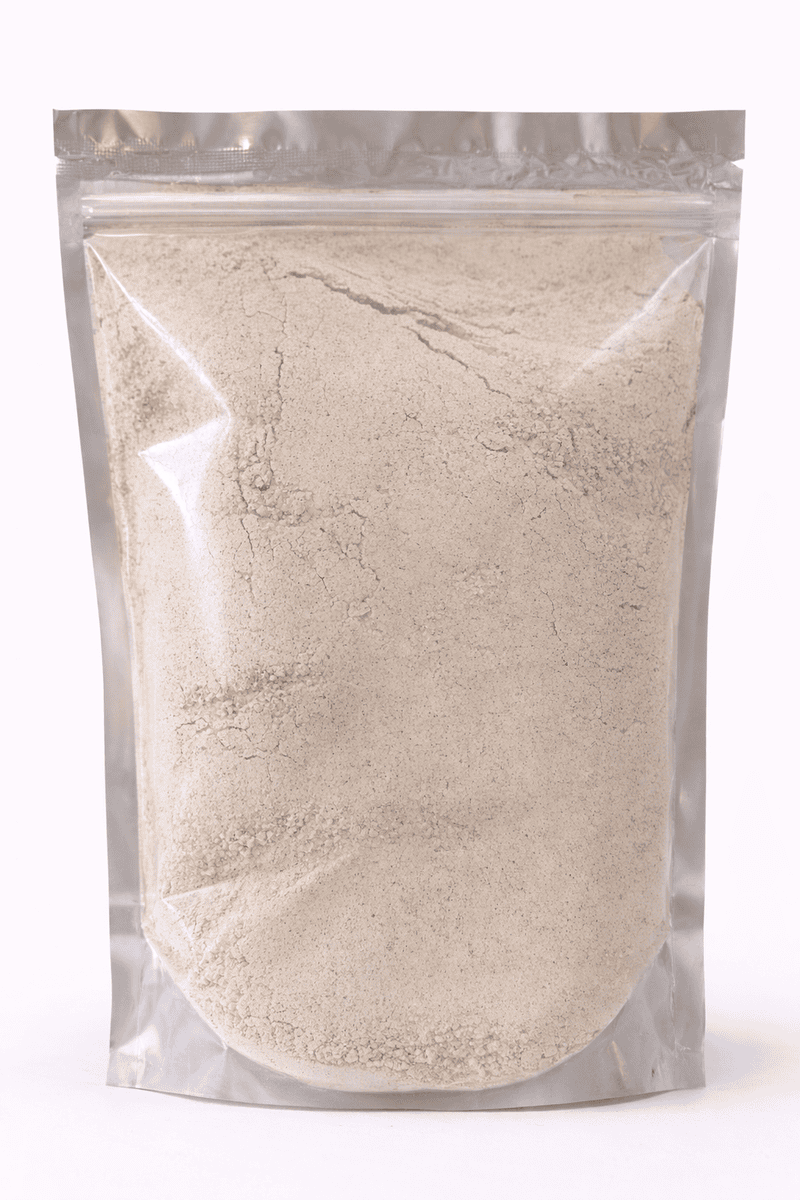
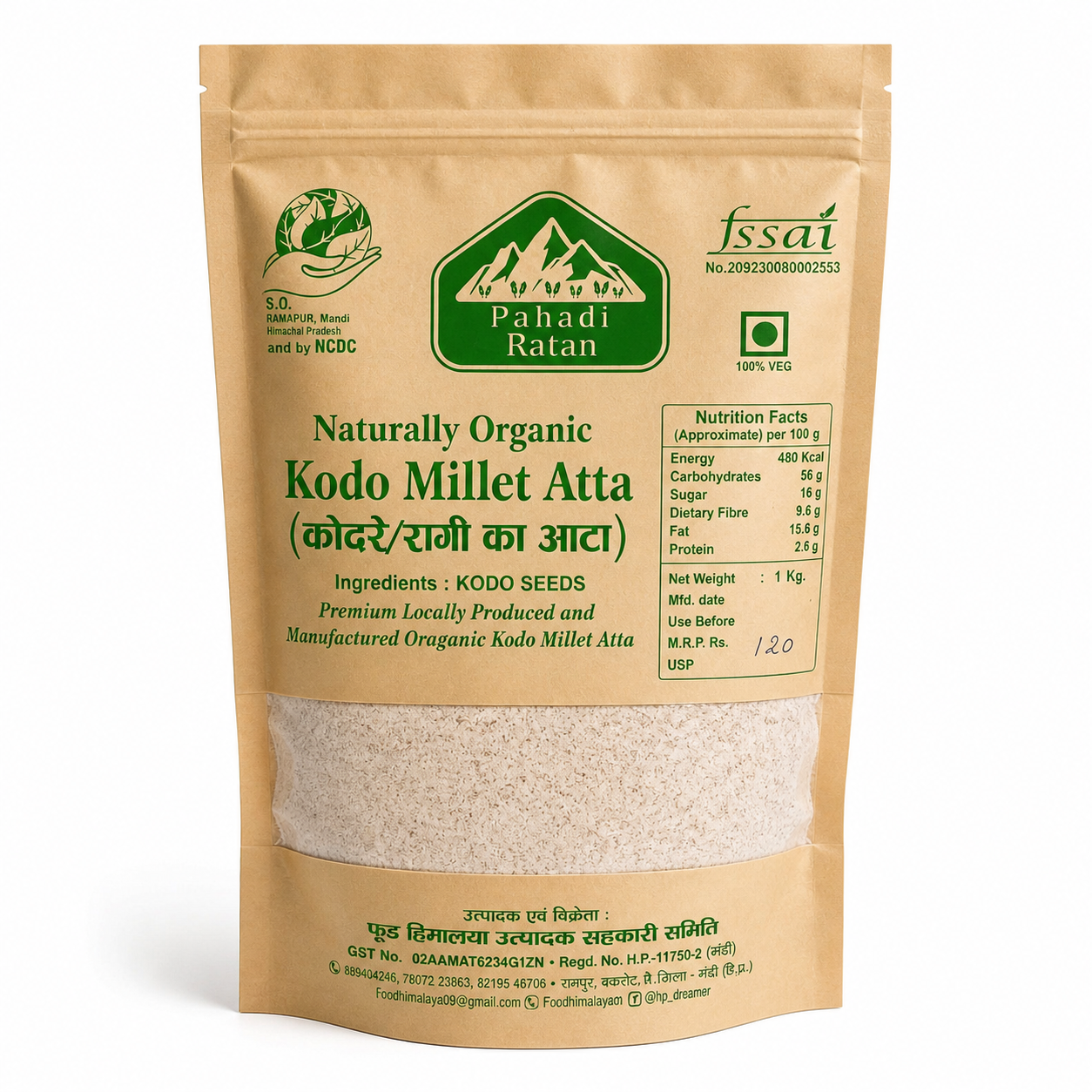
- Actual product photos or label closeups
- Reviewed date and source status
How it becomes a fuller story
A source note can grow into a feature when HFN has permissioned photos, interview notes, packing or shelf images and a reviewed product-source link. Until then, the note should avoid pretending that the team has met a producer, visited a farm or documented a batch process.
This gives the site a realistic editorial ladder: product page first, source note second, full source story only when the evidence is ready.
What this means on the HFN shelf
For shoppers, source context matters only when it connects back to real products such as honey, rhododendron, pickle, grain, flour. The article should help the customer understand what is verified, what the label says and how the product fits a normal order.
A source note can be small and still useful. It can show the product family, the available source context, the actual catalog image and the practical buyer checks: Net Quantity, ingredients or material, storage, shelf life and serving or gifting fit.
- Use real product photos first
- Keep source claims traceable
- Connect the story to buying decisions
- Avoid invented people, places or production scenes