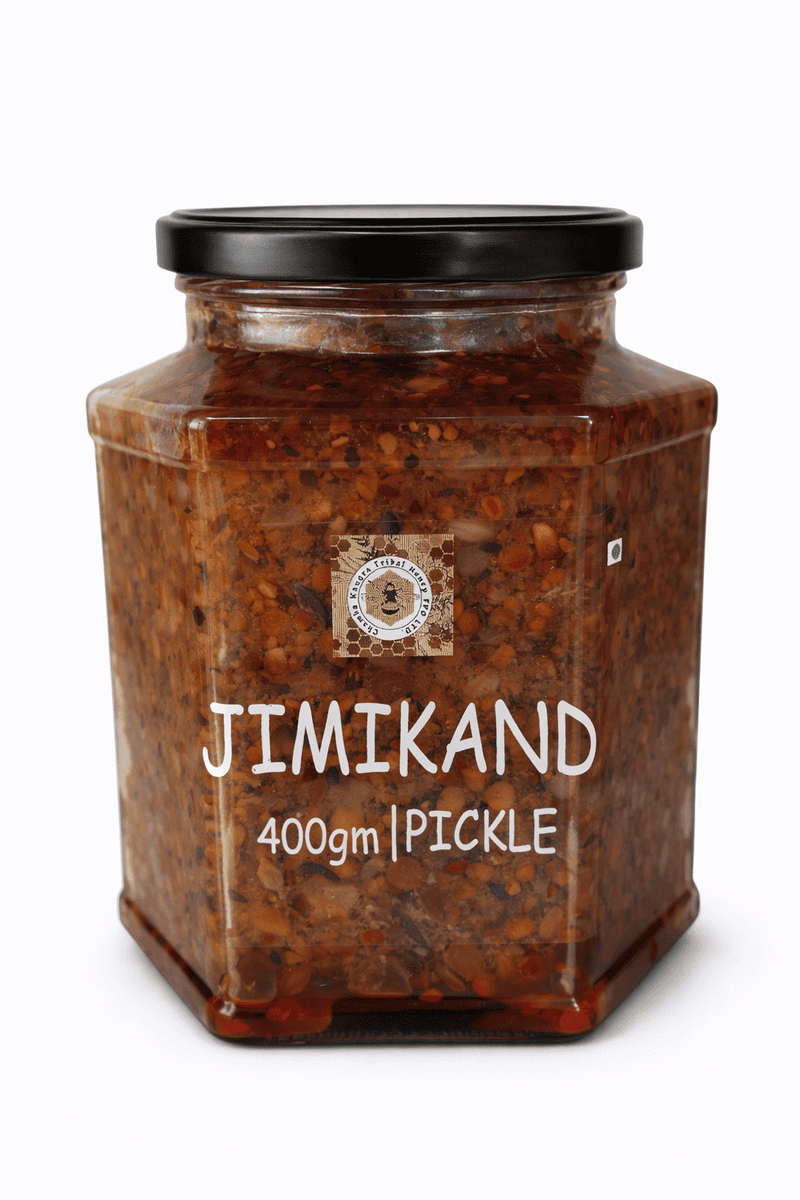
What the desk checks first
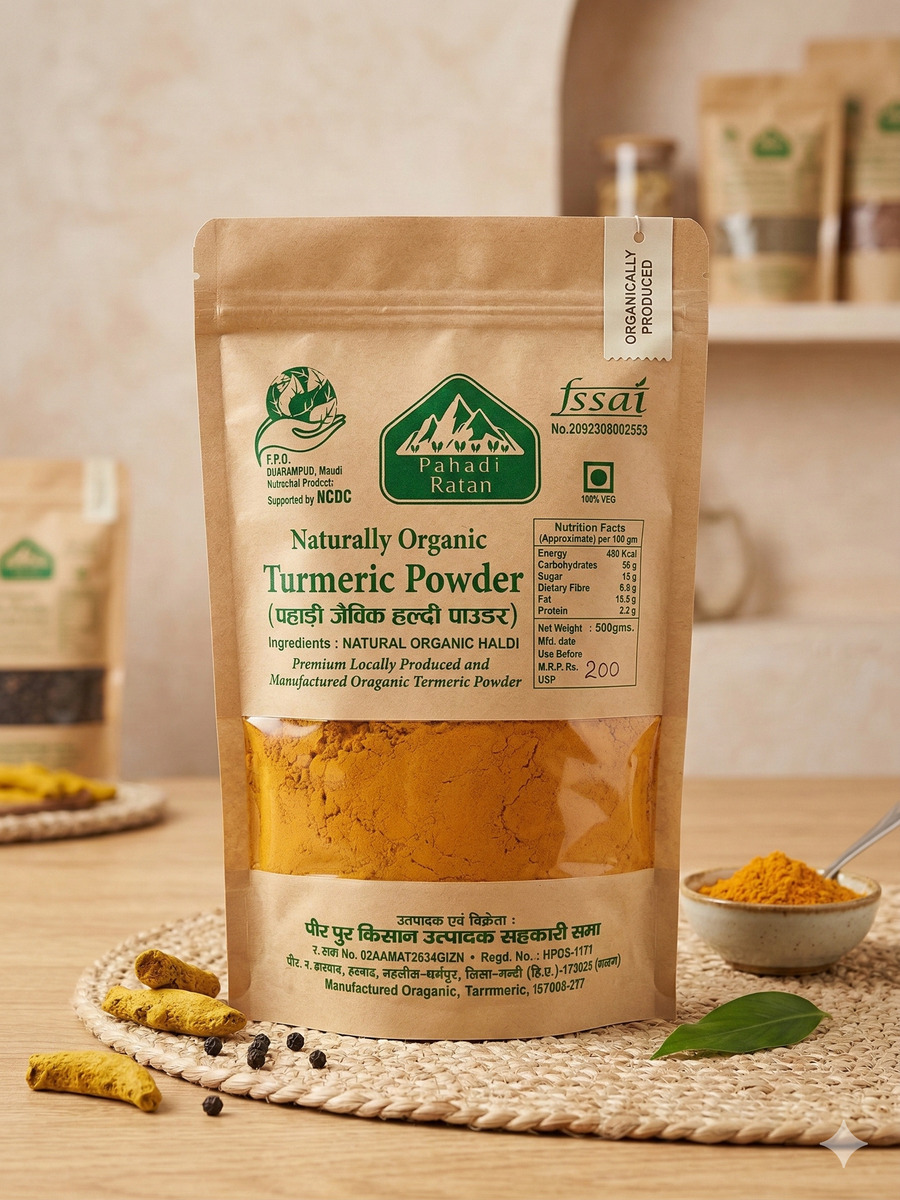
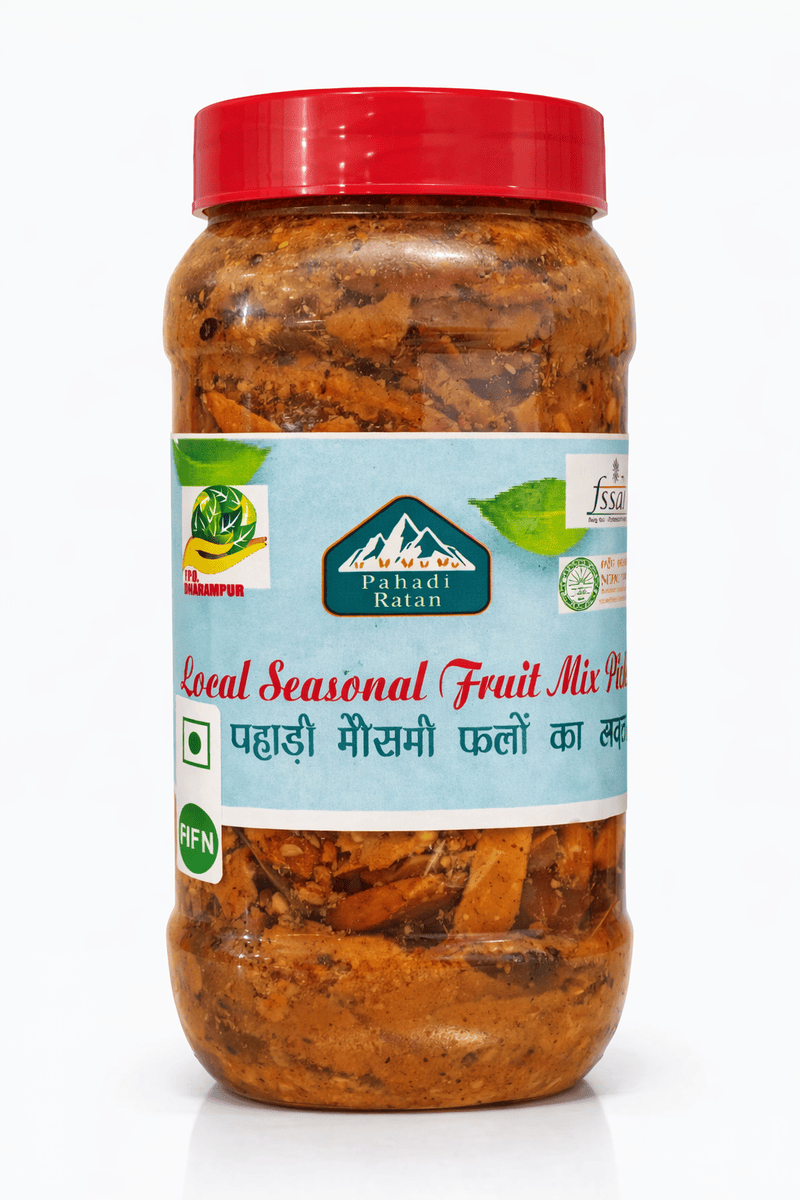
The verification desk starts with the same things a careful shopper looks for: a clear product photo, the exact product name, Net Quantity, price, stock status, ingredient or material details and storage or care instructions.
For food products, this means the page should help a customer read the label before buying. For home, fragrance and personal-care products, it means the page should make intended use, size, material, caution and category clear. The goal is not to create a certificate; the goal is to remove avoidable confusion.
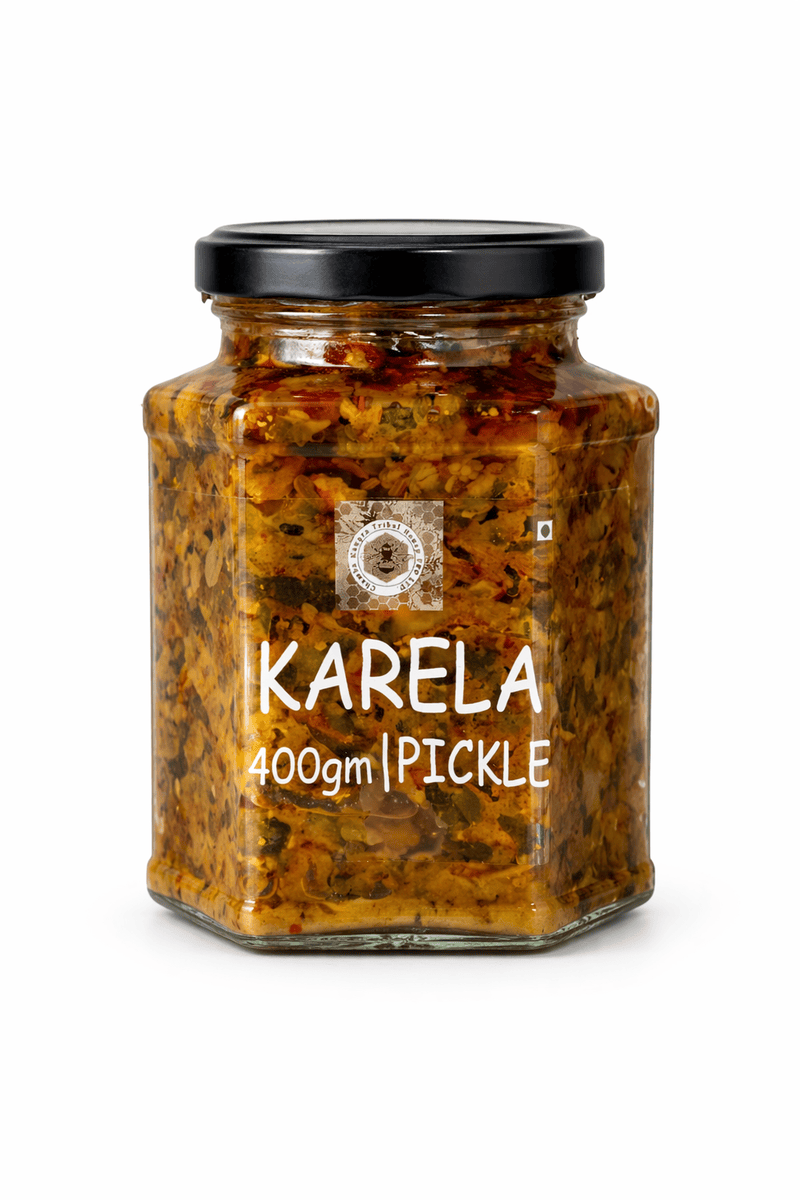
The product-page checklist
Every strong HFN product page should answer a basic set of questions without forcing the customer to zoom, guess or message support. When the data is present in Zoho POS, Supabase or product images, it should be surfaced in the listing and supported by Learn content.
The checklist also protects the brand. If a product is still missing source proof, the page should not imply it. If a label does not support a health claim, the article should stay with taste, serving, storage and shopping context.
- Visible product image
- Ingredient, material or intended-use detail
- Net Quantity
- Storage, care or caution instruction
- Best-before or shelf-life when available
- Source/vendor context only where verified
- Related Learn guide for comparison or use
How Learn fills the gap
Learn articles are the bridge between a short product listing and a confident purchase. A pickle label guide can explain oil, salt, spice and storage. A honey guide can explain colour, source wording and serving use. A sauce guide can explain bottle handling after opening. A bamboo tray guide can explain size, serving role and gifting use.
This context should not be vague. Each article should name product families, show relevant catalog images and link to real products so the reader can move from explanation to shopping without losing the thread.
What stays transparent
Some products will have full source stories. Some will only have product and label verification. Some may need better images or more label data before the page feels complete. HFN can publish that honestly by using source notes, label guides and product-context stories at the right level.
That is the practical standard: make the shelf clearer today, then deepen the story when better proof arrives.
What this means on the HFN shelf
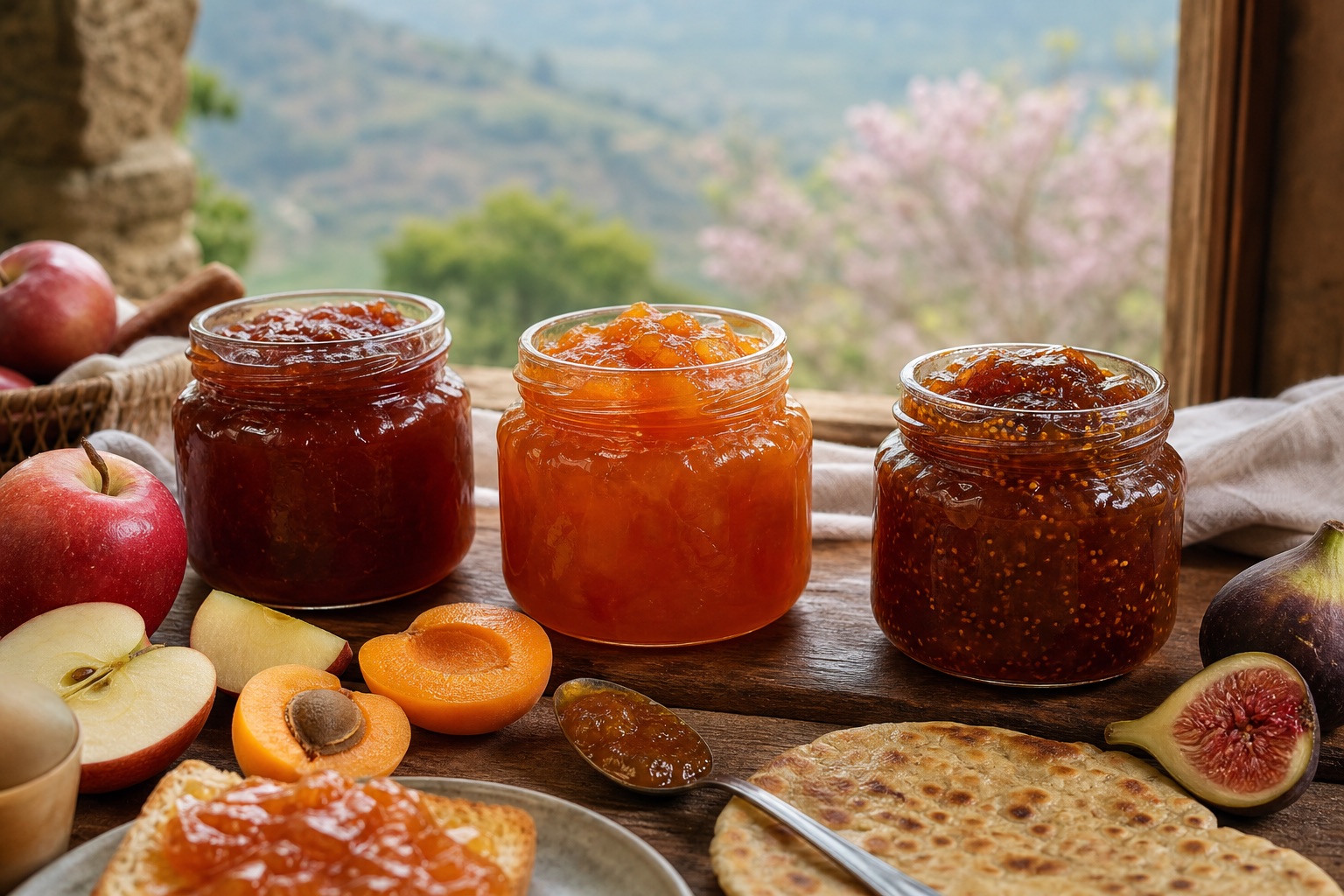
For shoppers, source context matters only when it connects back to real products such as honey, pickle, rhododendron, jam, spice. The article should help the customer understand what is verified, what the label says and how the product fits a normal order.
A source note can be small and still useful. It can show the product family, the available source context, the actual catalog image and the practical buyer checks: Net Quantity, ingredients or material, storage, shelf life and serving or gifting fit.
- Use real product photos first
- Keep source claims traceable
- Connect the story to buying decisions
- Avoid invented people, places or production scenes