Start with the jar family
Fruit preserves are bought for very practical reasons: breakfast toast, paratha sides, curd bowls, dessert topping, gifting or a small regional discovery item in a basket. The first job of a source note is to tell the shopper which jar family they are looking at.
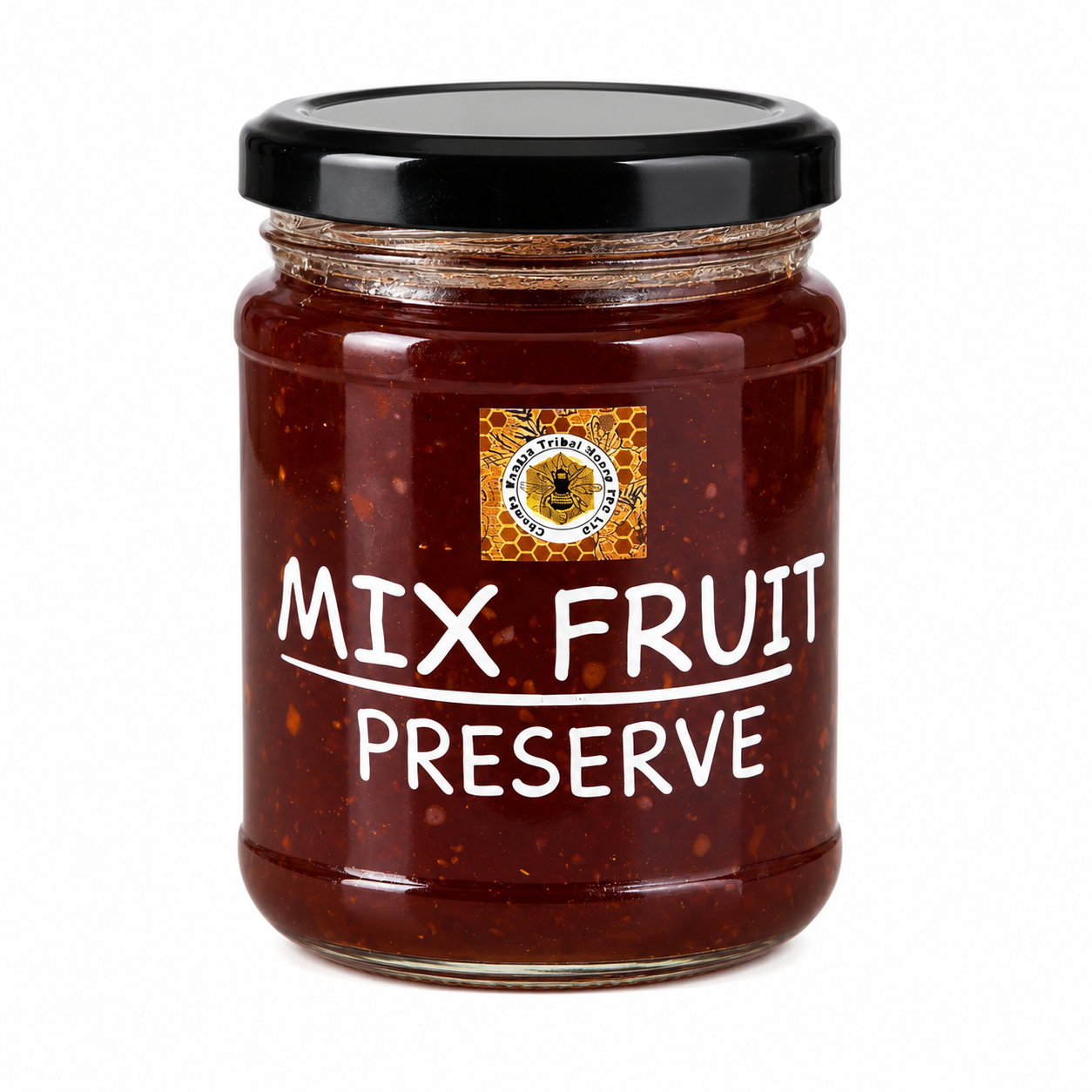
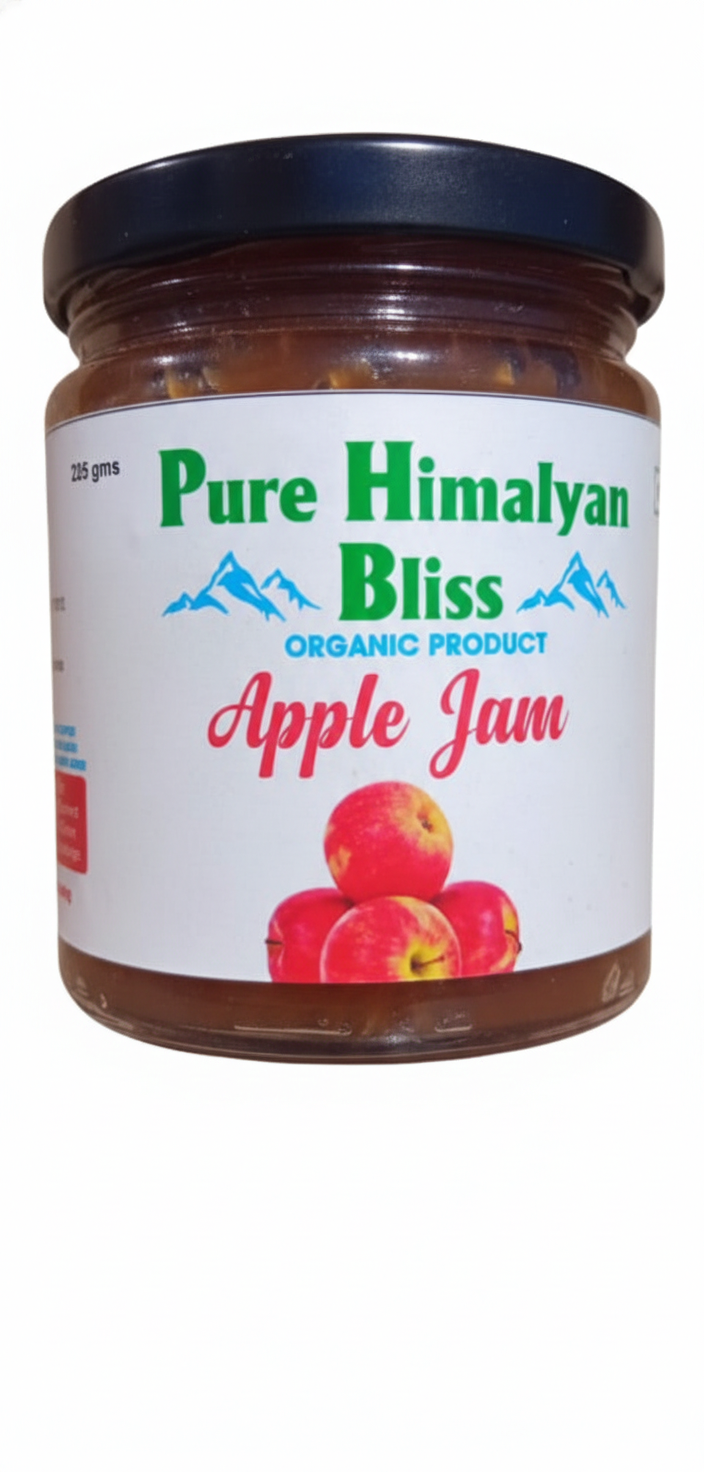
Apple jam, apricot spread, fig jam, fig marmalade, amla jam and mixed fruit preserve may all sit in the same shelf area, but they do not serve the same taste job. A useful HFN article separates fruit type, sweetness, texture, Net Quantity, storage and serving use instead of relying on one generic orchard story.
What Narkanda context can add
If a product record supports Narkanda or Himachal source context, the article can explain that as part of the product story. It should not claim a specific orchard, grower or harvest practice unless that proof exists.
The realistic customer value is still strong: the shopper can see why fruit-preserve sourcing matters, why label photos matter and how to compare jars before adding them to a breakfast or gift order.
- Fruit or preserve type
- Verified location or producer context where present
- Ingredient and storage details from the label
- Actual product and label photos
- Serving fit: toast, paratha, curd, dessert or gifting
How to choose between preserve jars
For everyday breakfast, choose the flavour the household will finish comfortably. For gifting, pair a milder preserve with honey, dry fruits, tea or a bamboo tray so the basket feels usable. For discovery orders, try one familiar fruit and one more distinctive jar instead of buying several similar sweet products.
Once opened, preserve jars need clean spoons, tight closure and storage according to the label. HFN product pages should repeat those details in text because customers should not have to zoom into a label photo to find basic care instructions.
What this means on the HFN shelf
For shoppers, source context matters only when it connects back to real products such as apple jam, apricot spread, fig jam, mix fruit preserve, amla jam. The article should help the customer understand what is verified, what the label says and how the product fits a normal order.
A source note can be small and still useful. It can show the product family, the available source context, the actual catalog image and the practical buyer checks: Net Quantity, ingredients or material, storage, shelf life and serving or gifting fit.
- Use real product photos first
- Keep source claims traceable
- Connect the story to buying decisions
- Avoid invented people, places or production scenes