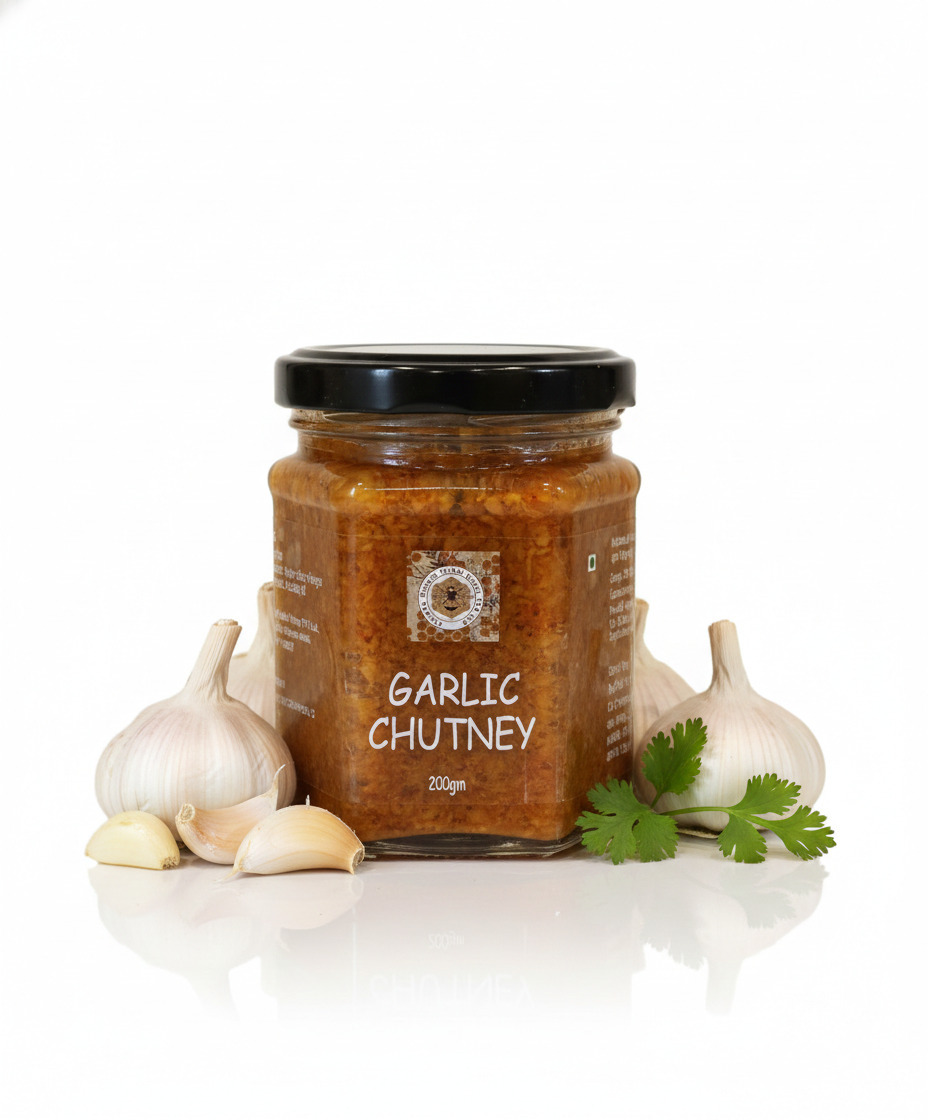
The first photograph is the promise
For an HFN shopper, the first useful image is not a scenic background. It is the actual product: the honey jar, pickle bottle, jam, squash, masala, bamboo tray, basket or fragrance item that will arrive after checkout.
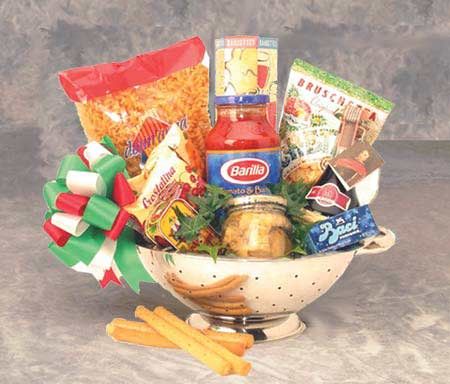
That image sets the trust level for the whole page. If the article is about sauce storage, the hero should show the sauce bottle. If it is about rhododendron drinks, it should show rhododendron SKUs. If it is about a gift basket, it should show products that can realistically sit together in one order.
The label turns browsing into buying
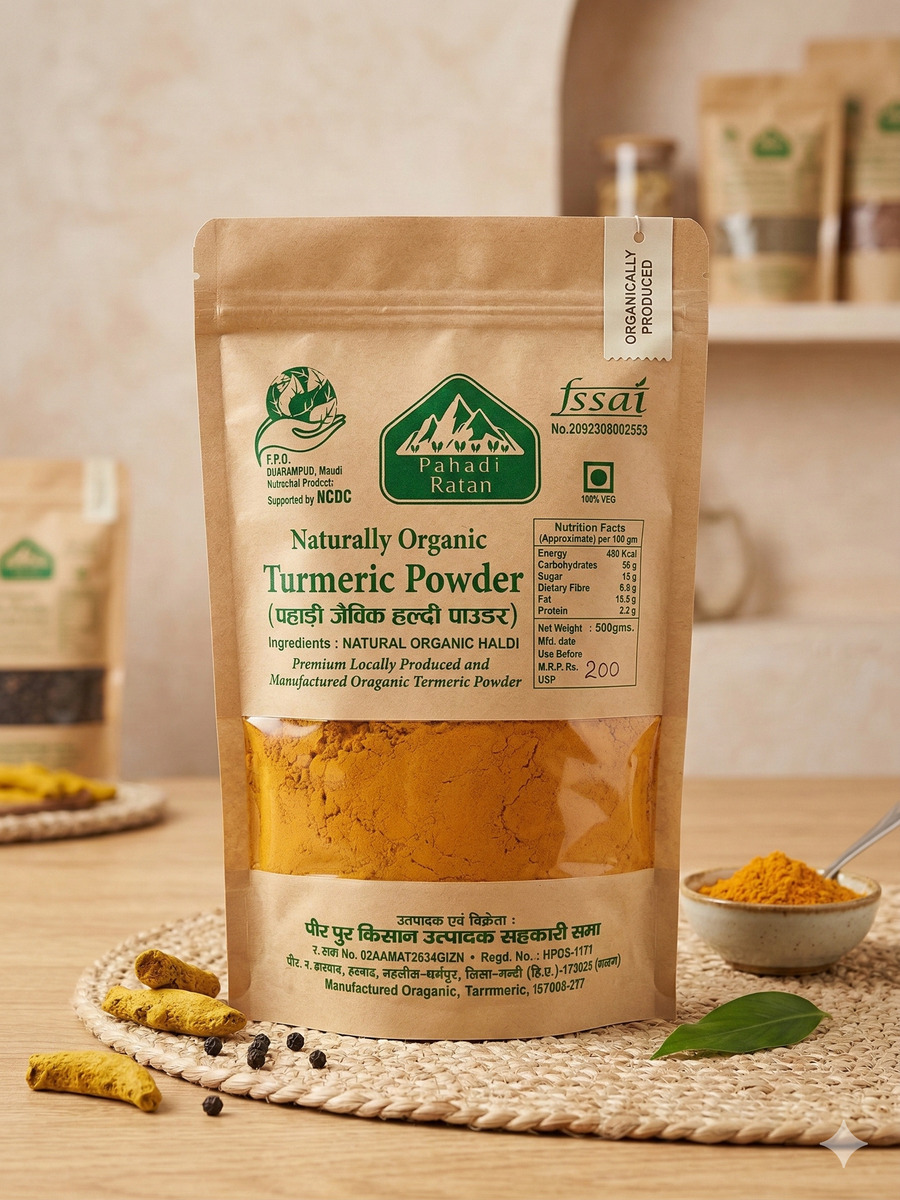
The second image should help the customer read. A clear back-label or label-closeup answers questions that decorative copy cannot: ingredients, Net Quantity, storage, best-before, manufacturer or packer details and any use instruction.
This is especially important for jar foods, squash, honey, sauces, oils, ghee, personal-care items and fragrance products. Customers should not have to guess whether a sauce needs refrigeration, whether a squash is concentrated, or whether a rose-water product is meant for food, skin or fragrance use.
- Product front
- Readable label or back photo
- Net Quantity and storage instruction
- Shelf or packing context
- Serving, gifting or home-use context
Shelf context shows scale and choice
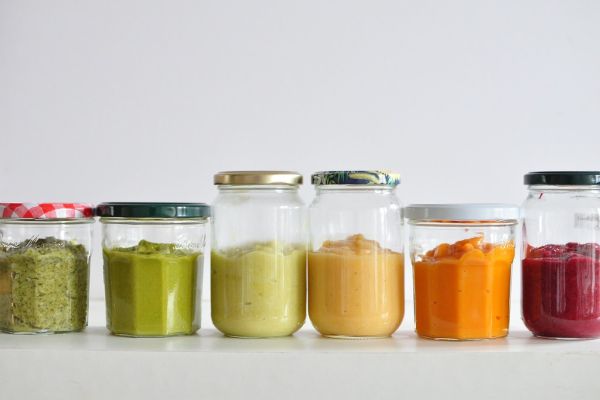
A shelf or packing photo helps customers understand size and product family. It can show whether a jar belongs with breakfast preserves, whether a bottle is a summer drink concentrate, whether a tray is large enough for tea service or whether a fragrance item is a small add-on gift.
The shelf image should be honest. It can show a store shelf, packing table, product group or basket build, but it should not imply a farm visit, certification or production process unless that proof exists.
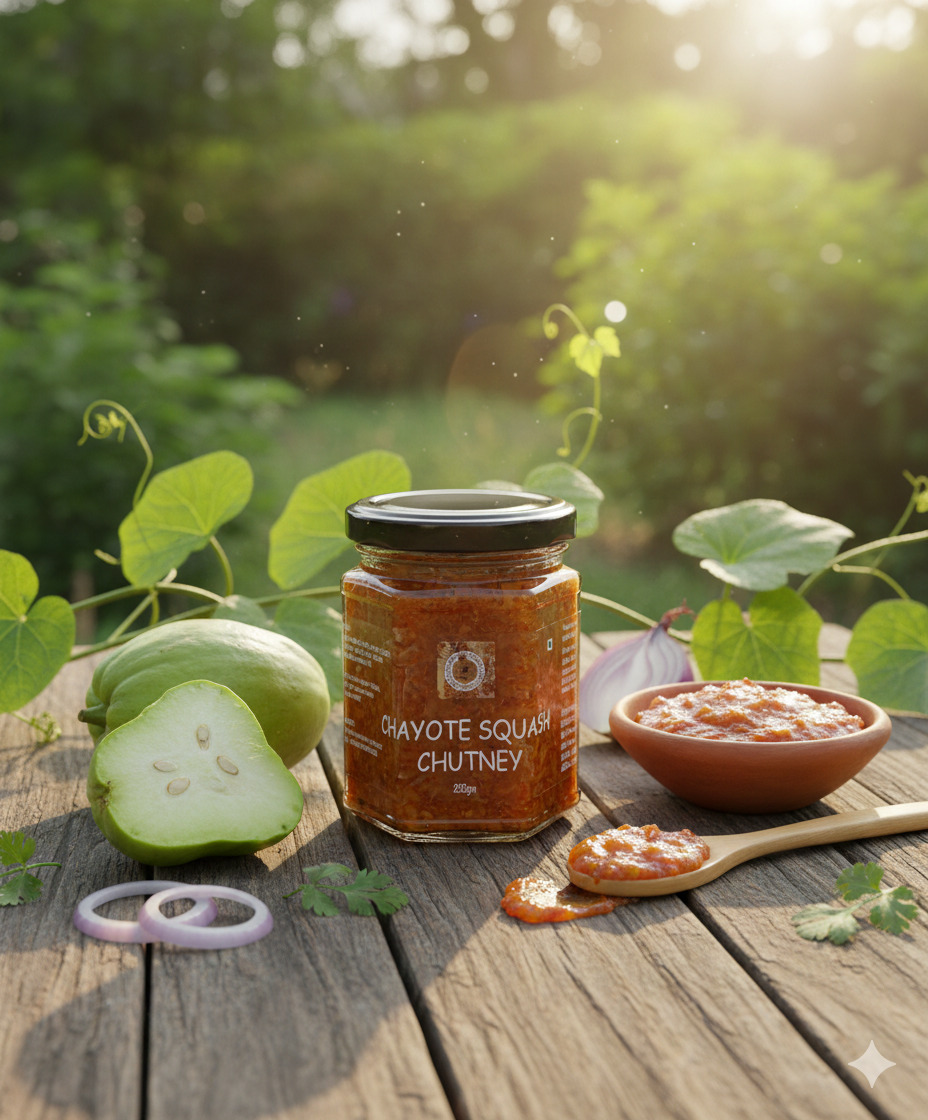
The table image gives the product a job
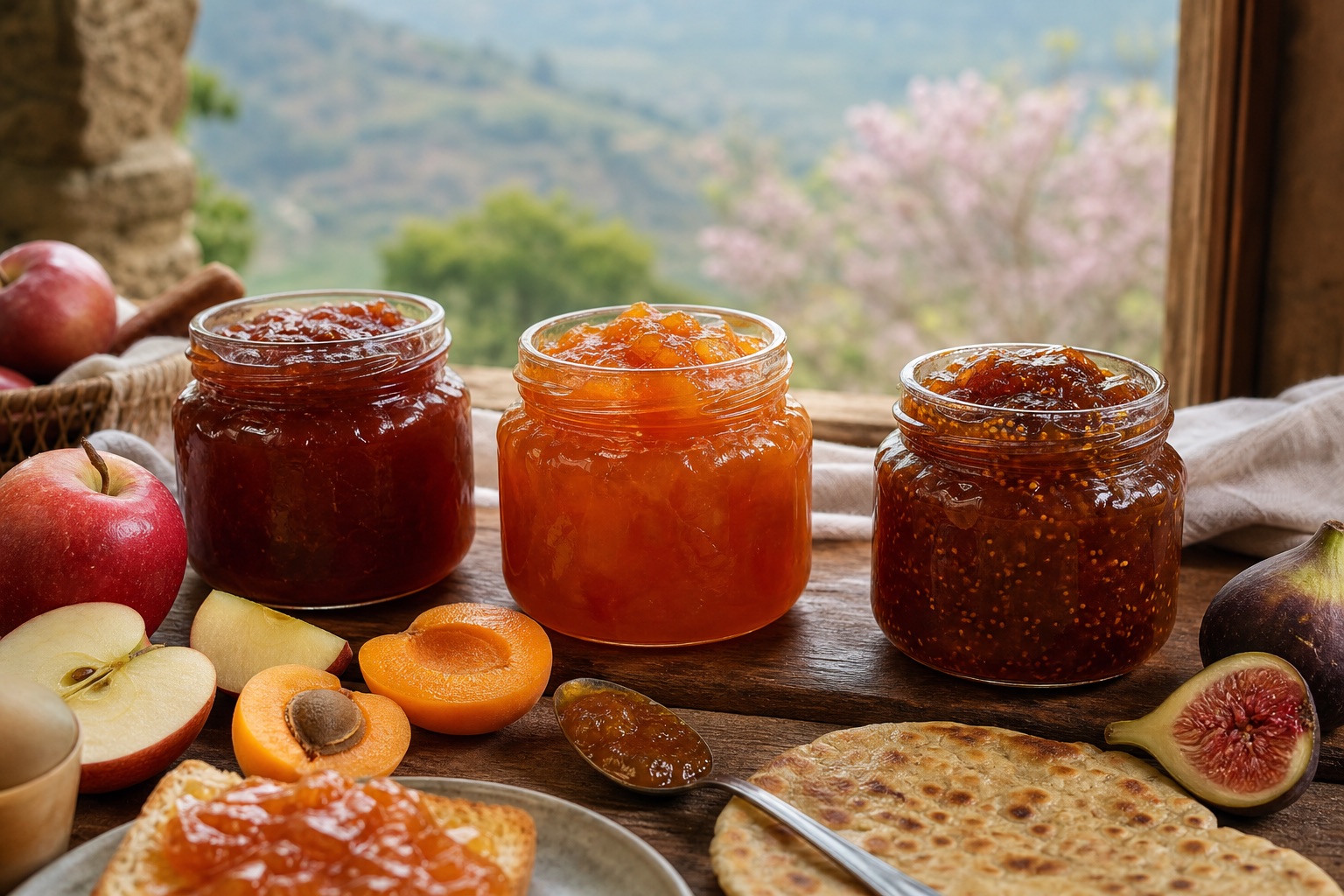
The final image in the journey is the use moment. Honey can sit with curd, toast or tea. Pickle can sit beside dal-rice, paratha or a snack plate. Rhododendron squash can sit with chilled water, soda or a dessert drizzle. A bamboo tray can carry tea, jars and dry fruits. A fragrance product can sit in a room, car or gift setup only if that use matches the label.
This is where Learn becomes more than SEO coverage. A good article helps the customer imagine a real use case and then links back to the exact HFN products that support it.
What HFN will not fake
HFN can use illustrative media for general serving inspiration, but it must not fake packaging, labels, people, farms, producer visits or certifications. A beautiful image that misrepresents the product weakens the store.
The better standard is simple: real catalog product first, real label when available, real basket or table context when possible, and transparent captions everywhere.